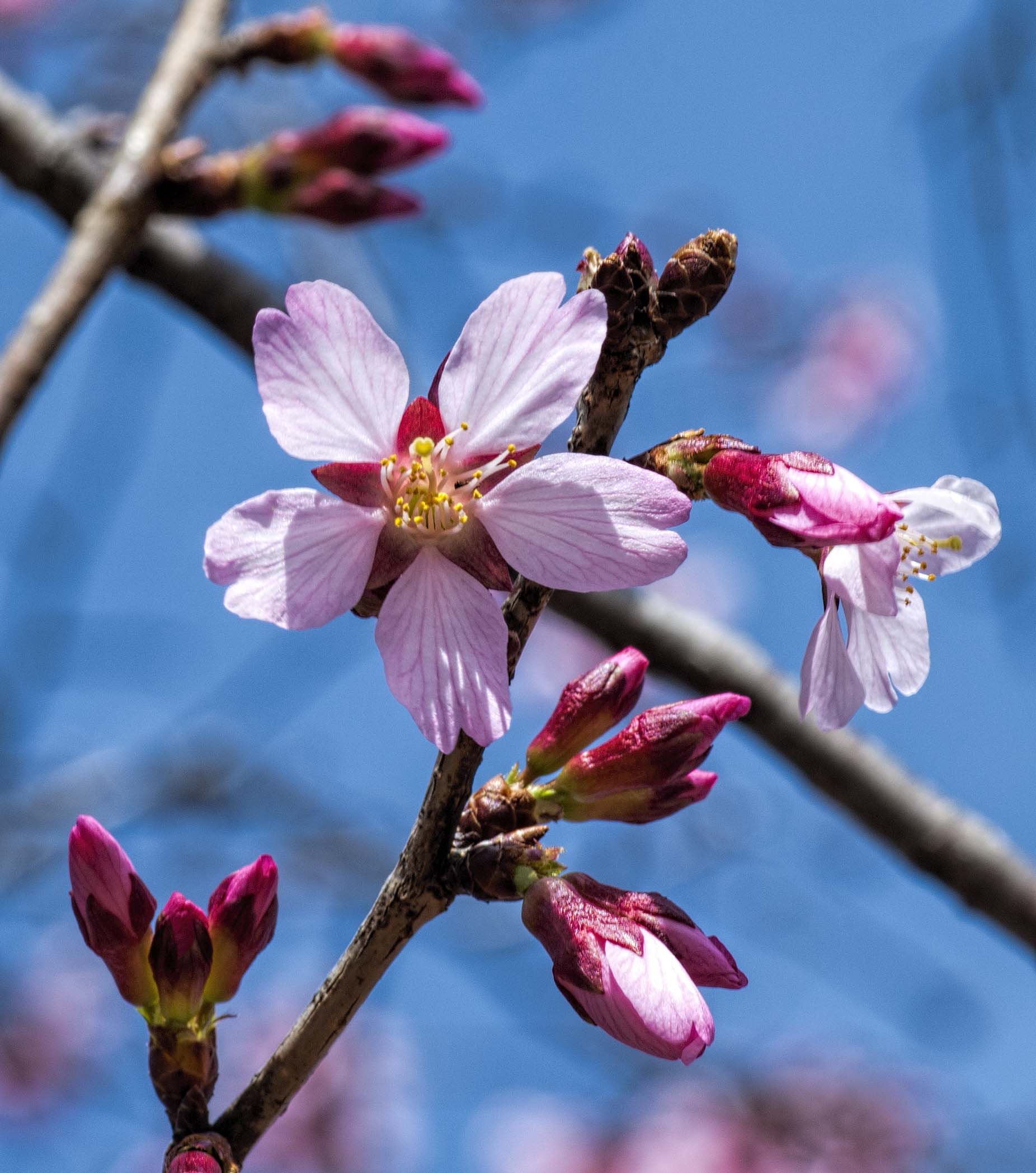
The Okame cherry is in bloom at the nearby botanical garden. ((I was surprised to learn that this cultivar, a hybrid of two Asian cherries, is of British origin.)) The Yoshino cherry is lagging a week behind, but it should be photogenic next week.
Trivia that matter

The Okame cherry is in bloom at the nearby botanical garden. ((I was surprised to learn that this cultivar, a hybrid of two Asian cherries, is of British origin.)) The Yoshino cherry is lagging a week behind, but it should be photogenic next week.
Harry James Potter-Evans-Verres:
“I am a conscientious objector to child conscription, on grounds that I should not have to suffer for a disintegrating school system’s failure to provide teachers or study materials of even minimally adequate quality.”
And:
Then again, Harry was standing in a bank that literally stored your money in vaults full of gold coins guarded by dragons, where you had to go in and take coins out of your vault whenever you wanted to spend money. The finer points of arbitraging away market inefficiencies might well be lost on them. He’d been tempted to make snide remarks about the crudity of their financial system…
But the sad thing is, their way is probably better.
On the other hand, one competent hedge fundie could probably own the whole wizarding world within a week. Harry filed away this notion in case he ever ran out of money, or had a week free.
Meanwhile, the giant heaps of gold coins within the Potter vault ought to suit his near-term requirements.
Harry stumped forward, and began picking up gold coins with one hand and dumping them into the other.
When he had reached twenty, Professor McGonagall coughed. “I think that will be more than enough to pay for your school supplies, Mr. Potter.”
“Hm?” Harry said, his mind elsewhere. “Hold on, I’m doing a Fermi calculation.”
“A what? ” said Professor McGonagall, sounding somewhat alarmed.
“It’s a mathematical thing. Named after Enrico Fermi. A way of getting rough numbers quickly in your head…”
Twenty gold Galleons weighed a tenth of a kilogram, maybe? And gold was, what, ten thousand British pounds a kilogram? So a Galleon would be worth about fifty pounds… The mounds of gold coins looked to be about sixty coins high and twenty coins wide in either dimension of the base, and a mound was pyramidal, so it would be around one-third of the cube. Eight thousand Galleons per mound, roughly, and there were around five mounds of that size, so forty thousand Galleons or 2 million pounds sterling.
Not bad. Harry smiled with a certain grim satisfaction. It was too bad that he was right in the middle of discovering the amazing new world of magic, and couldn’t take time out to explore the amazing new world of being rich, which a quick Fermi estimate said was roughly a billion times less interesting.
Still, that’s the last time I ever mow a lawn for one lousy pound.
There may be a Harry Potter fanfic worth reading, Harry Potter and the Methods of Rationality.
(Via J. Greely.)
Today it’s Michael Brown, keyboardist and songwriter of The Left Banke half a century ago.
(Via Dustbury.)
Addendum: Surely someone has made an AMV combining “Pretty Ballerina” with Princess Tutu, but a search at AMV.org comes up dry. I did find a video with Russian animation.
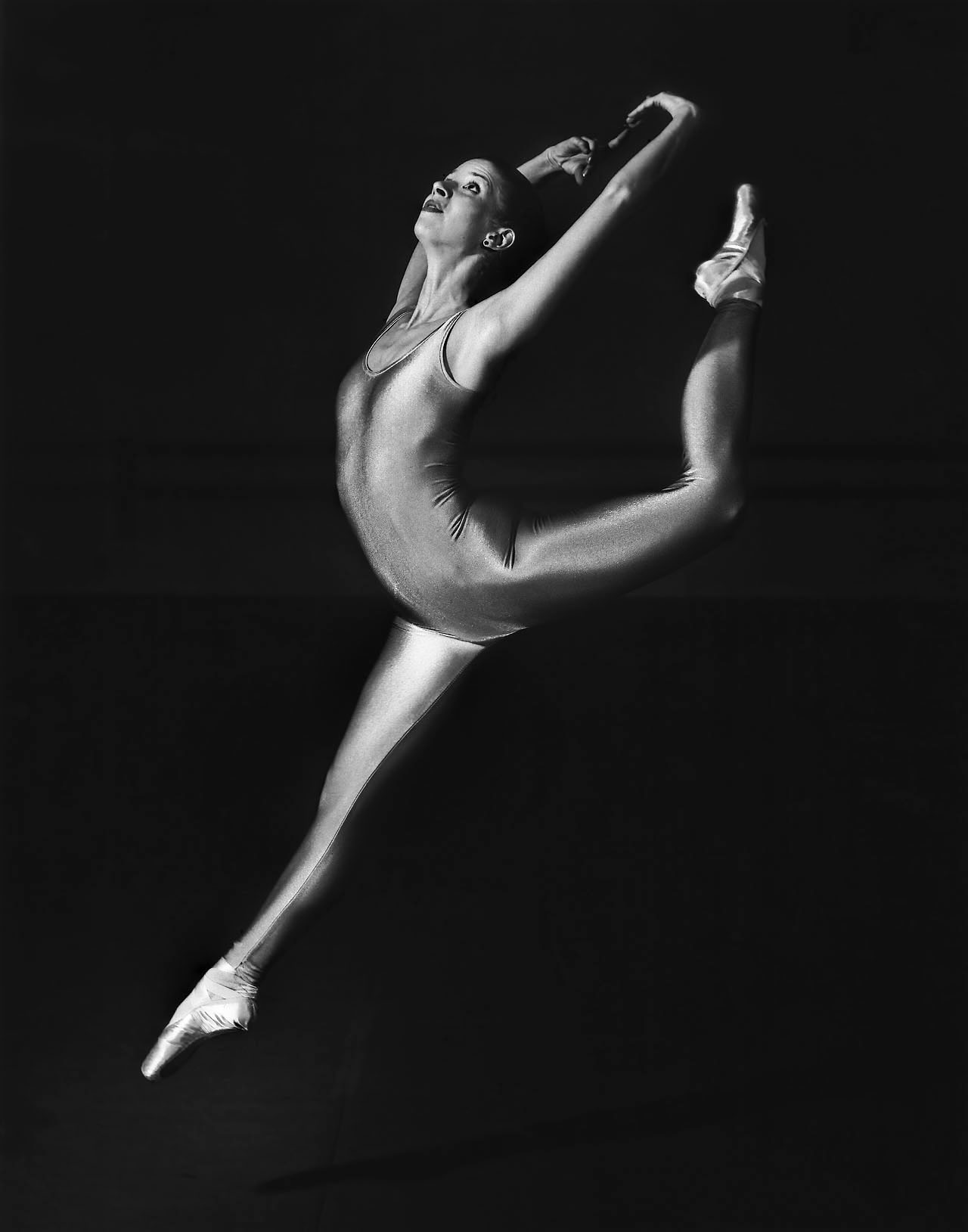
An image from the days of black and white film and wet darkrooms. I took this picture 15 or 20 years ago in the Friends University dance studio.

It was a bit awkward getting around in my neighborhood when I got home yesterday. I’ve never seen so many firetrucks in one place. (Click to enormously embiggen. How many red trucks can you find?)

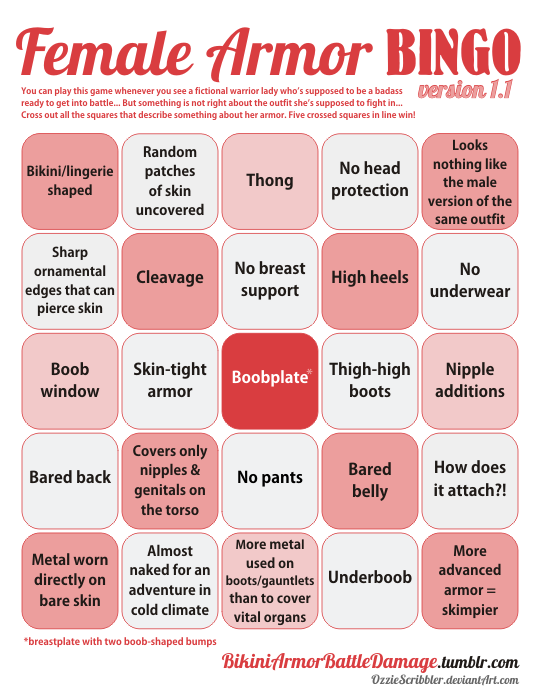
A game to play next time you read a second-tier fantasy novel. (Via J. Greely.)
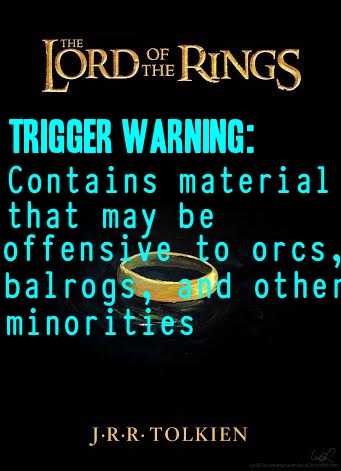
Some trigger warnings for other literature.

88 airplanes were a total loss. Eighty-eight B-25 Mitchells – $25,000,000 [1944 dollars] worth of aircraft

Update: More on Vesuvius here.
Anthony Sacramone’s list of the twelve funniest books ever written is better than most such lists, though it’s missing Terry Pratchett, Robert Benchley and a few others. ((I was pleased to see that someone else remembers Will Cuppy.))
“Let us build a fairyland for the people by dint of science!”
North Korean slogan or TED talk tidbit? (Via Jonah Goldberg.)
A large serving of silly nonsense is below the fold.
During spring I am sometimes uncomfortably aware that I live south of Hesston, east of Greensburg, west of Andover and not far at all from Udall.

From the previews for episode 18 of Wagaya no Oinari-sama, or Our Home’s Fox Deity. The duckies in the preview did not appear in the episode itself.


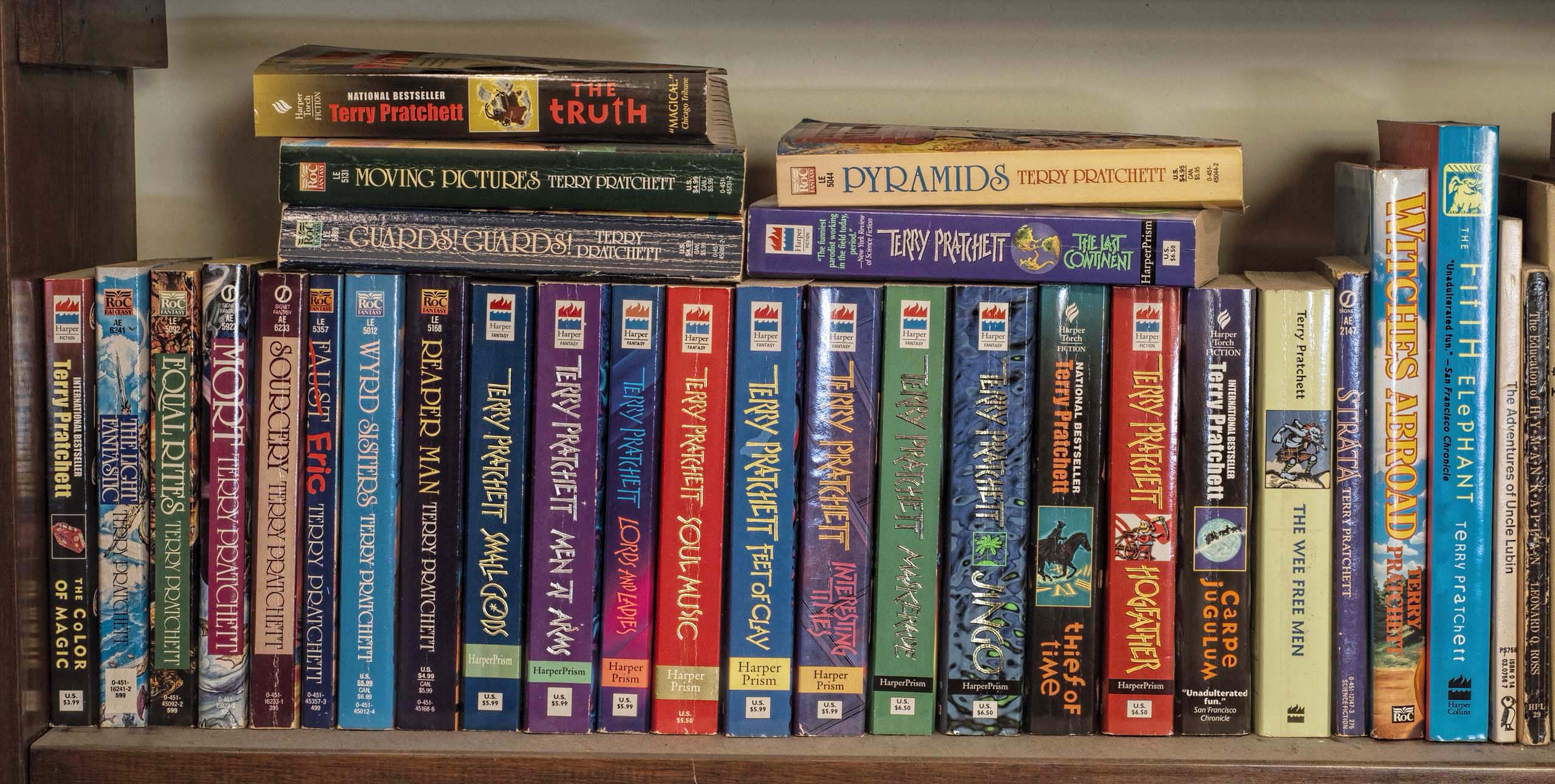
I’m not sure which writer whose books I have the largest number of on my shelves. It might be Philip K. Dick, Gene Wolfe or R.A. Lafferty. Or it might be Terry Pratchett. Pratchet, long one of my favorite writers, died today.
There are various notices and such here, here, here, here and here.
Post script: It turns out that the quote from Death in the upper picture is one of Neil Gaiman’s contributions to Good Omens.
An old favorite I stumbled across.
… and still more culture, yeah, yeah, yeah.
A note on Nathaniel Hawthorne from Flannery O’Connor:
… Hawthorne couldn’t stand Emerson or any of that crowd. When one of them came in the front door, Hawthorne went out the back. He met one of them one morning and snarled, “Good Morning Mr. G., how is your Oversoul this morning?”
O’Connor may be the greatest Catholic writer of fiction of the 20th century, but the book of hers I most enjoy is a collection of her letters, The Habit of Being.
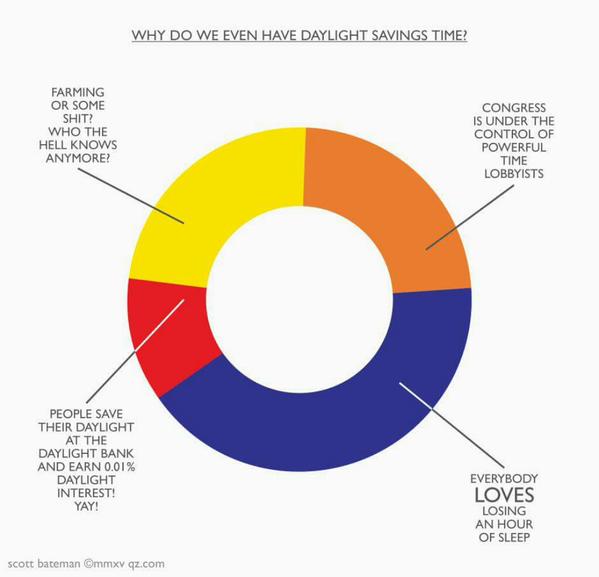
Is there anyone who thinks that daylight “savings” time is a good idea?
(Via Dustbury.)

It’s spring again for the moment, and I made another trip to the botanical garden today. There was even less color evident this afternoon than there was two weeks ago, back in February, but I did find a few things to take pictures of.
Someone at Ricochet requested “Fantasy Reading Suggestions.” The recommendations thus far have been disappointing. In the 103 comments I perused, Gene Wolfe, in my opinion the best living writer in English, is mentioned only once, his name misspelled. Others whom I consider essential have not been mentioned at all. For what it’s worth, here is some fantasy that has been overlooked so far there.
Gene Wolfe: Soldier of the Mist, at the very least, and The Sorcerer’s House. Read Wolfe carefully; every word counts, and nothing is as simple as it may at first seem. (Incidentally, Josh W. is working his way through The Book of the New Sun, one chapter at a time. It should keep him busy for several years. The most recent installment is here.)
Diana Wynne Jones: Pretty much everything she ever wrote is worth reading, so I’ll just name a few favorites. Howl’s Moving Castle (vastly better than the movie); Dogsbody; The Homeward Bounders; Fire and Hemlock; The Tough Guide to Fantasyland.
John Bellairs: The Face in the Frost and The Pedant and the Shuffly. (Bellairs also wrote St. Fidgeta and Other Parodies, which isn’t fantasy but is very funny, particularly if you are a Catholic who survived the silly years after Vatican II.)
Lord Dunsany: Any collection of his short stories.
J.R.R. Tolkien: He wrote more than just the novels Peter Jackson trashed. Farmer Giles of Ham, Smith of Wootton Major and Leaf by Niggle are all worth tracking down.
Tim Powers: I have yet to read a disappointing book by Powers. The Anubis Gates is particularly recommended to English majors, and Declare to those who wonder why the Soviet Union lasted as long as it did.
C.S. Lewis: Till We Have Faces. The only fiction by Lewis I’ve ever re-read.
Charles Williams: Descent into Hell. Williams was one of the other Inklings, and his influence is perceptible in Tim Powers’ writing.
Flann O’Brien: The Third Policeman. Is it about a bicycle?
R.A. Lafferty: Anything and everything you can find. Much of his output is nominally science fiction, but it’s SF unlike any other and I don’t hesitate to call him a great fantasist.
G.K. Chesterton: The Man Who Was Thursday.
… and probably much else I’ll think of later.

Here’s a bumper sticker for next year. You can download a larger version here.
(This is not my own idea, but I forgot who originally suggested it.)
Hayao Miyazaki's – On Your Mark by gamer3000x
One of the two greatest AMVs ever made. (The other is Interstella 5555.) The song is not particularly interesting, but the animation is Miyazaki at his best.
Some nonsense to pass the time while I wait for the plumber to replace the water heater so I can take a shower for the first time since Friday:
Everyone is linking to this, and so am I: I love the sound of a good fisking in the morning.
31. Ethereal Eggshell: Applied properly, this creates the absolutely vital impression that you do not sweat, menstruate, consume, or digest food.
32. Invisibility Indigo: Have you given birth to a child while not being a duchess? Are you over thirty in a town that is not New York or Los Angeles? Hush, you are a ghost. Ghosts are pretty when they are invisible.
…
42. Shame Scarlet: One of our favorite DIY looks! You can assemble it out of almost anything: fat deposits, acne scars, stretch marks, skin irregularities, makeup purchases, food preferences, and, our personal recommendation, failure to meet expectations compounded by the fact that you weren’t supposed to try.
I recently posted a little “spot the girl” quiz. Here’s another, more challenging one.

No, I don’t know which one she is, either.
Top Ten Unreleased Gaelic Whisky Names:
9 – Laphroaig Tigh-Eiridinn Loisgeach
Burning Hopsital – Intended for one of their special Feis Isle bottlings. But the producers felt that given their already pretty complicated distillery name the customers might be overchallenged by the pronunciation.
Tolkien’s original translation is justly famous and beloved. He treeherds an unwieldy ancient text into lyrical modern English and captures the vast scope and romance of the epic.
It is also deeply flawed.
Tolkien refers to Quendi people as “elves,” a common term in his time, but considered highly offensive today. And while Tolkien was a great scholar of the Quenya and Sindarin languages, his command of Late Vulgar Adûni was rudimentary at best, and his translation of the Red Book suffers for it.
Peter Jackson to film the Silmarillion, in 72 parts.
Sylvain Chomet, the creator of The Triplets of Belleville (recommended), tells the story of La Vieille Dame et Les Pigeons.
An evening with Richard Thompson: