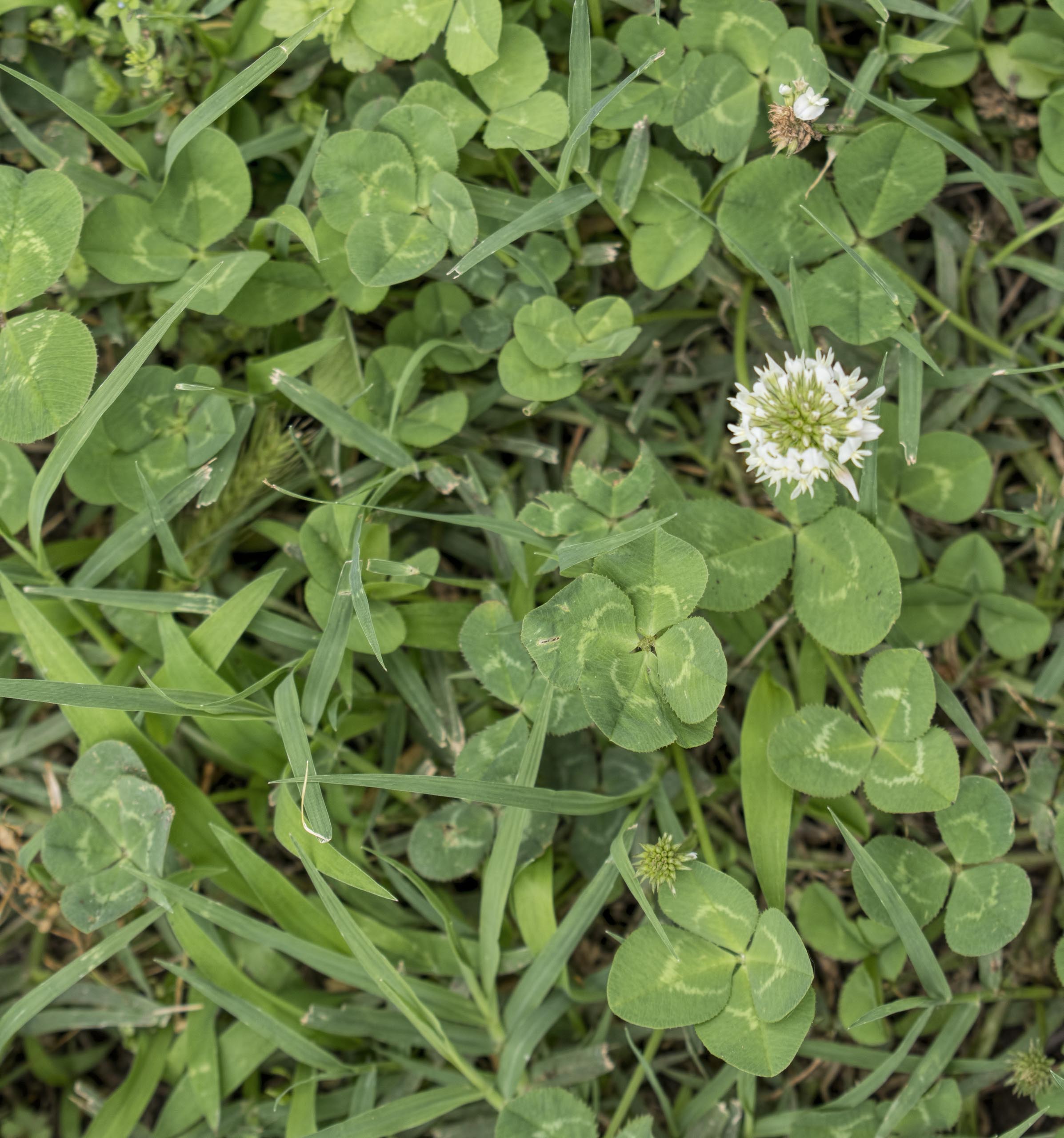
Here’s a detail from my new yard. How many four-leaf clovers can you find?
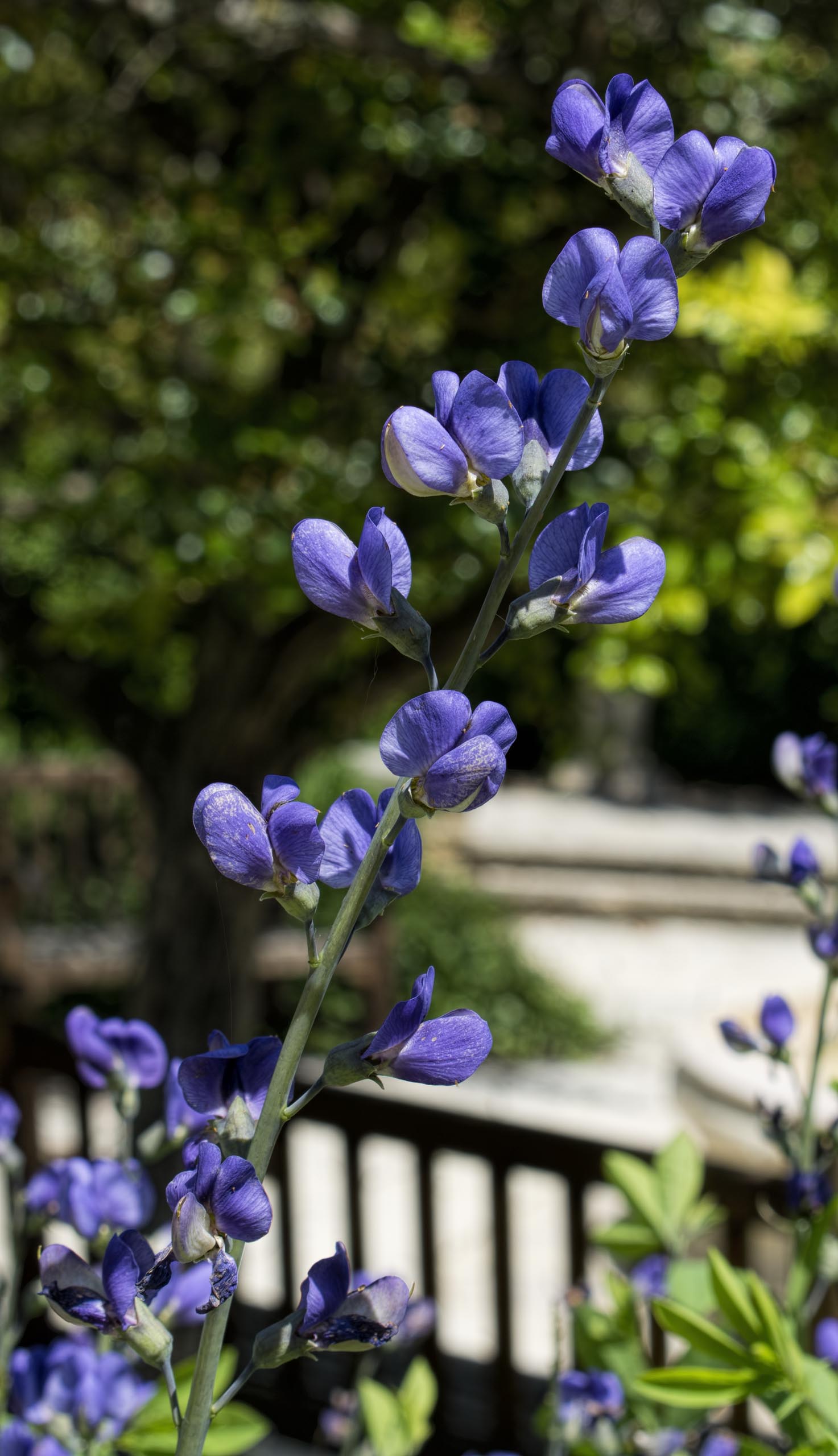
Last look at what I’m leaving behind in Wichita:
Trivia that matter
Here’s a detail from my new yard. How many four-leaf clovers can you find?
Last look at what I’m leaving behind in Wichita:
I’ve finally escaped from Wichita. I now live in a city an order of magnitude smaller in a neighboring county, where I don’t hear boom cars and shouting strangers all evening. It will no longer be convenient for me to visit the botanical garden in Wichita, but quiet nights are compensation.
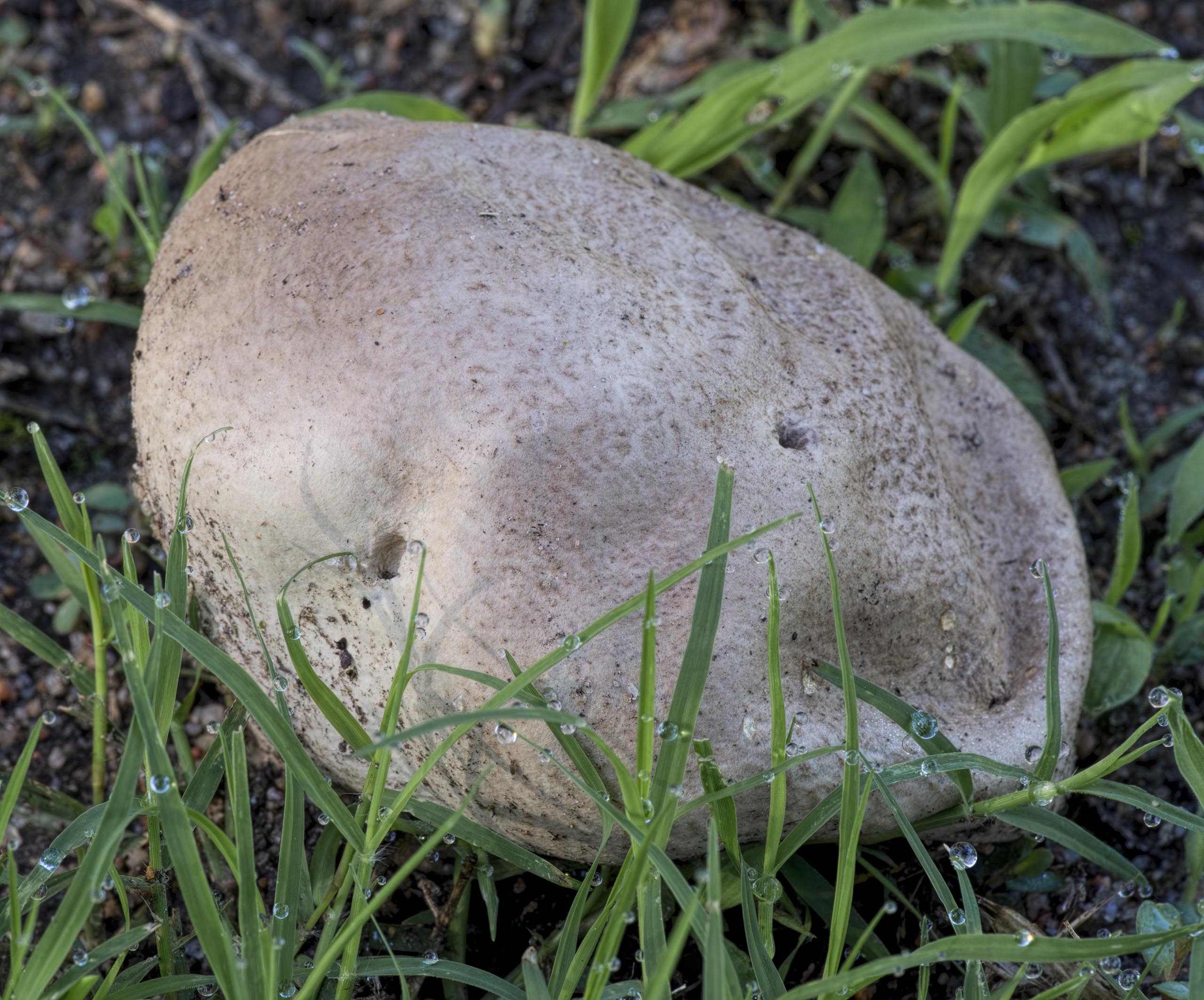
Waiting for me in the front yard when I moved in was the puffball above. I’d guess it’s either Calvatia fragilis or Calvatia cyathiformis. It was at its prime yesterday while my camera was packed away, and was starting to deflate this morning when I finally got a picture.
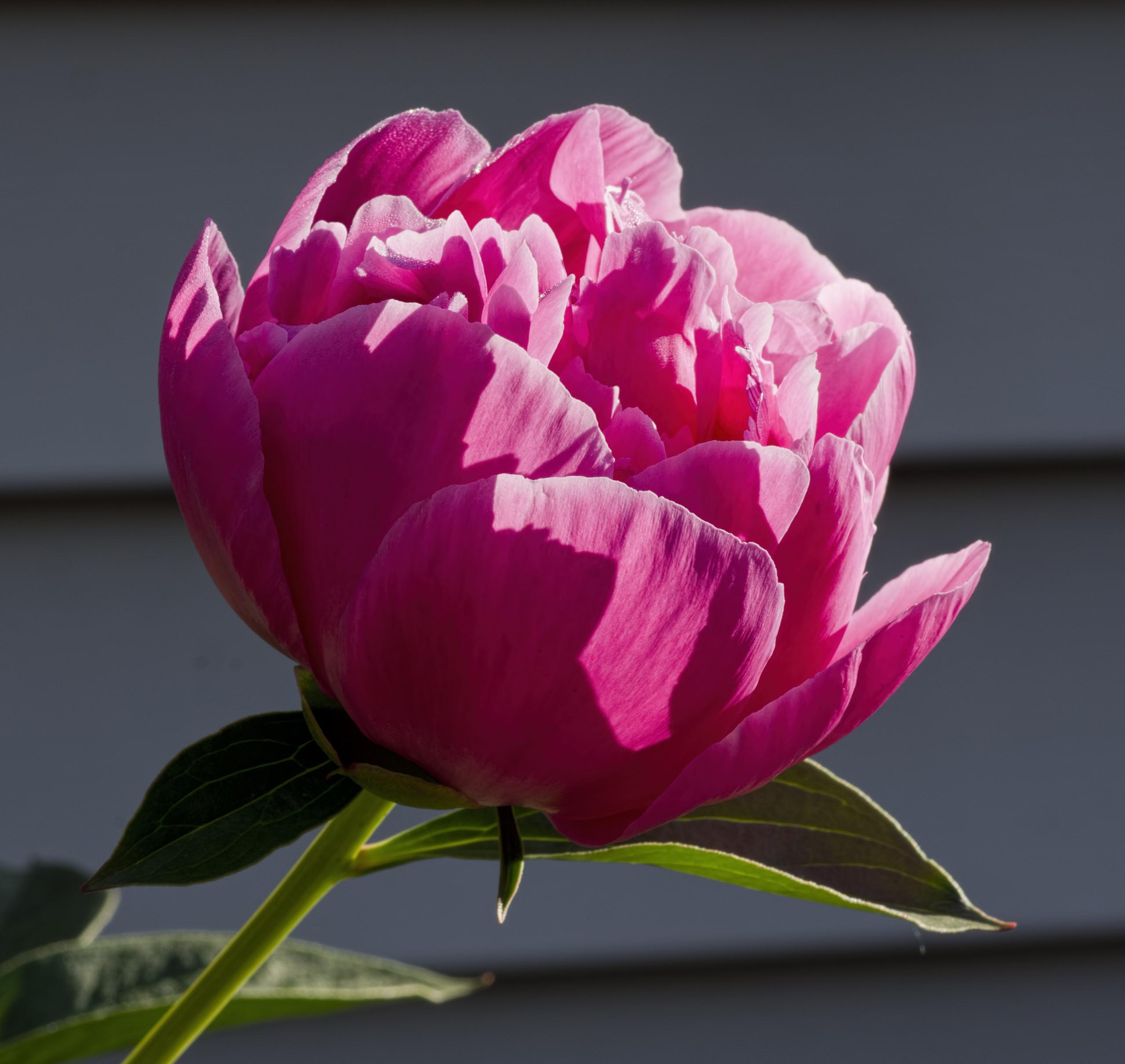
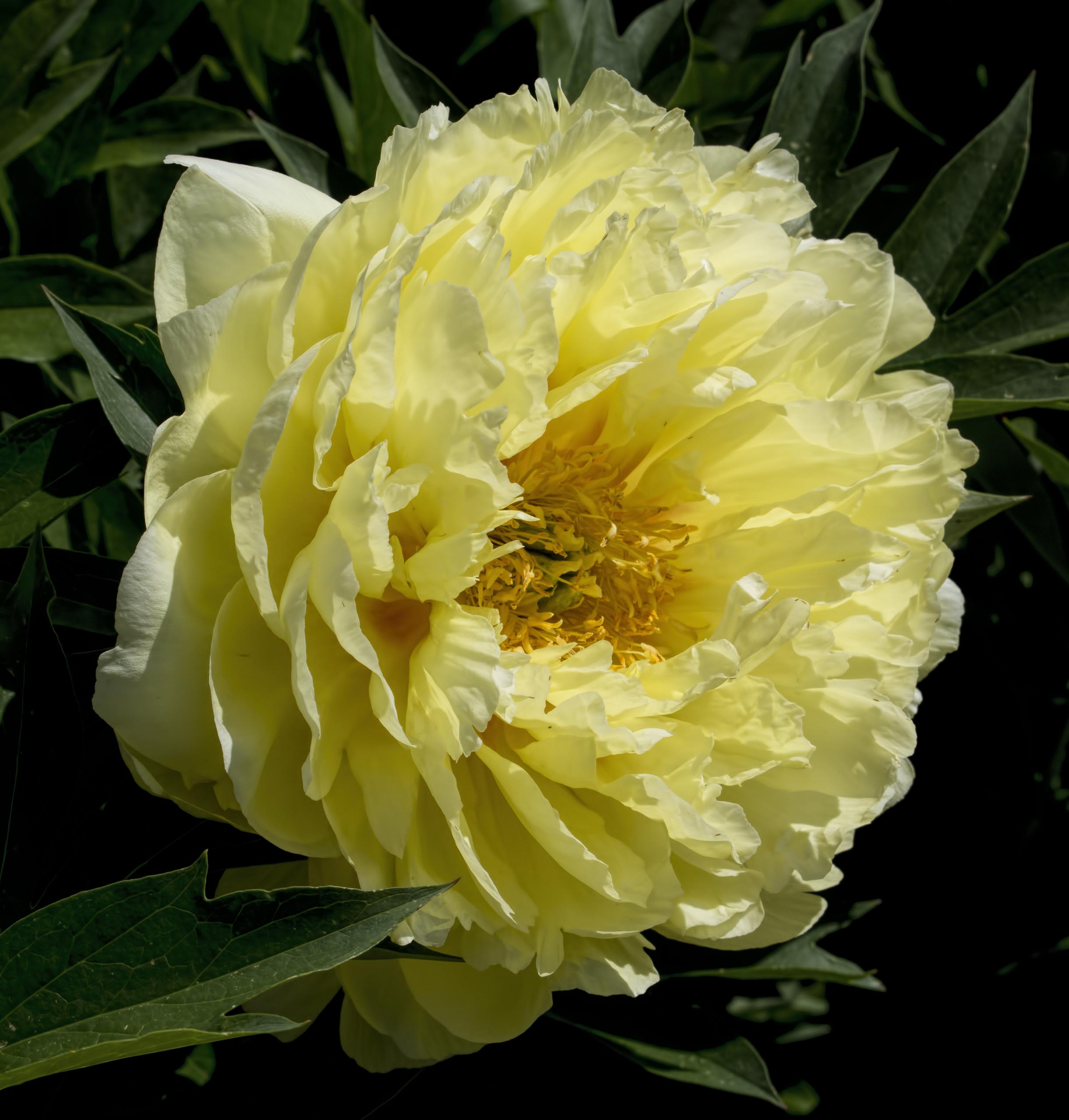
Also waiting for me were a couple of peony plants in their prime.
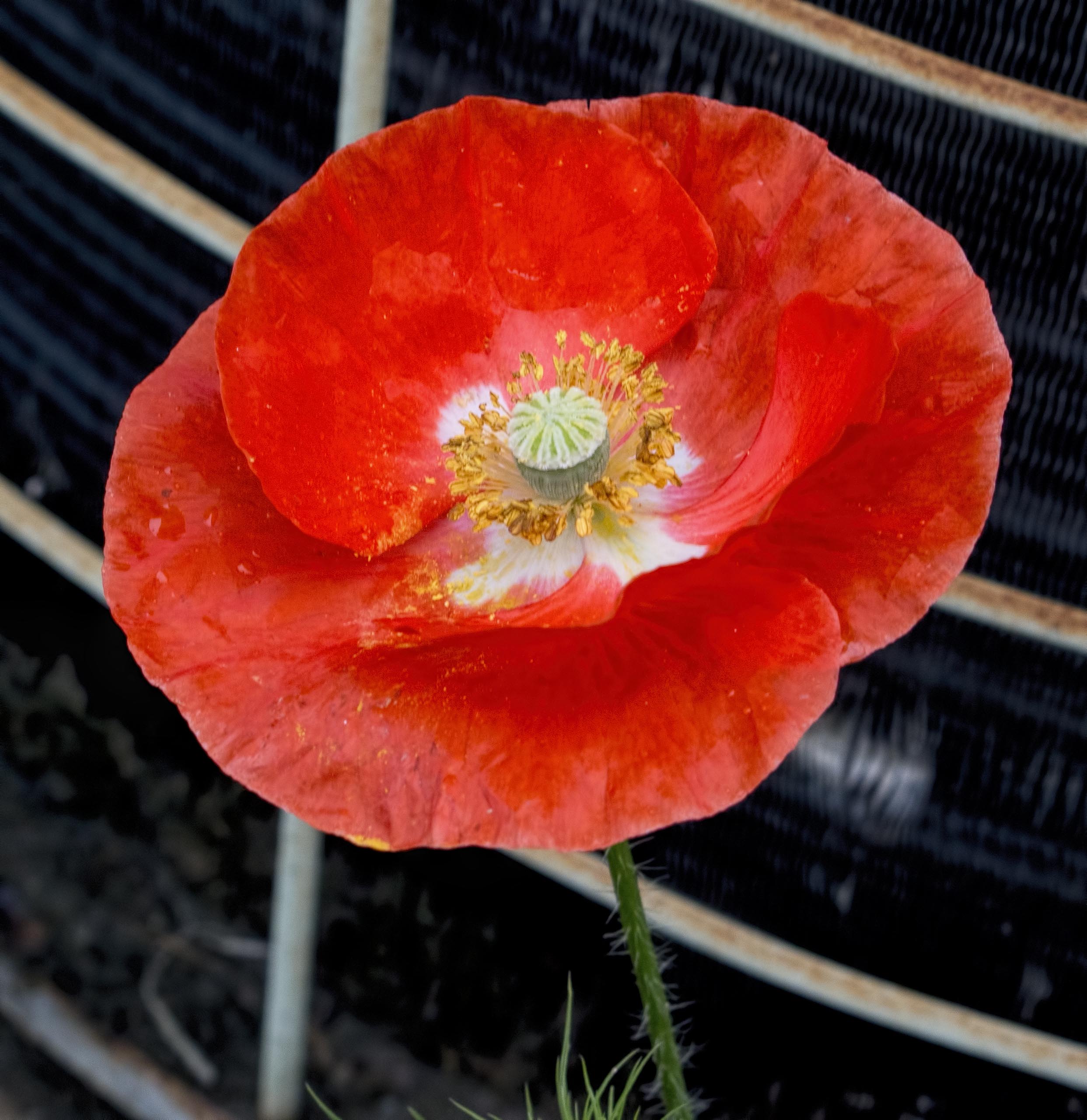
The weather has been unremittingly gloomy and damp. Fortunately, there is some color to relieve the monotony.

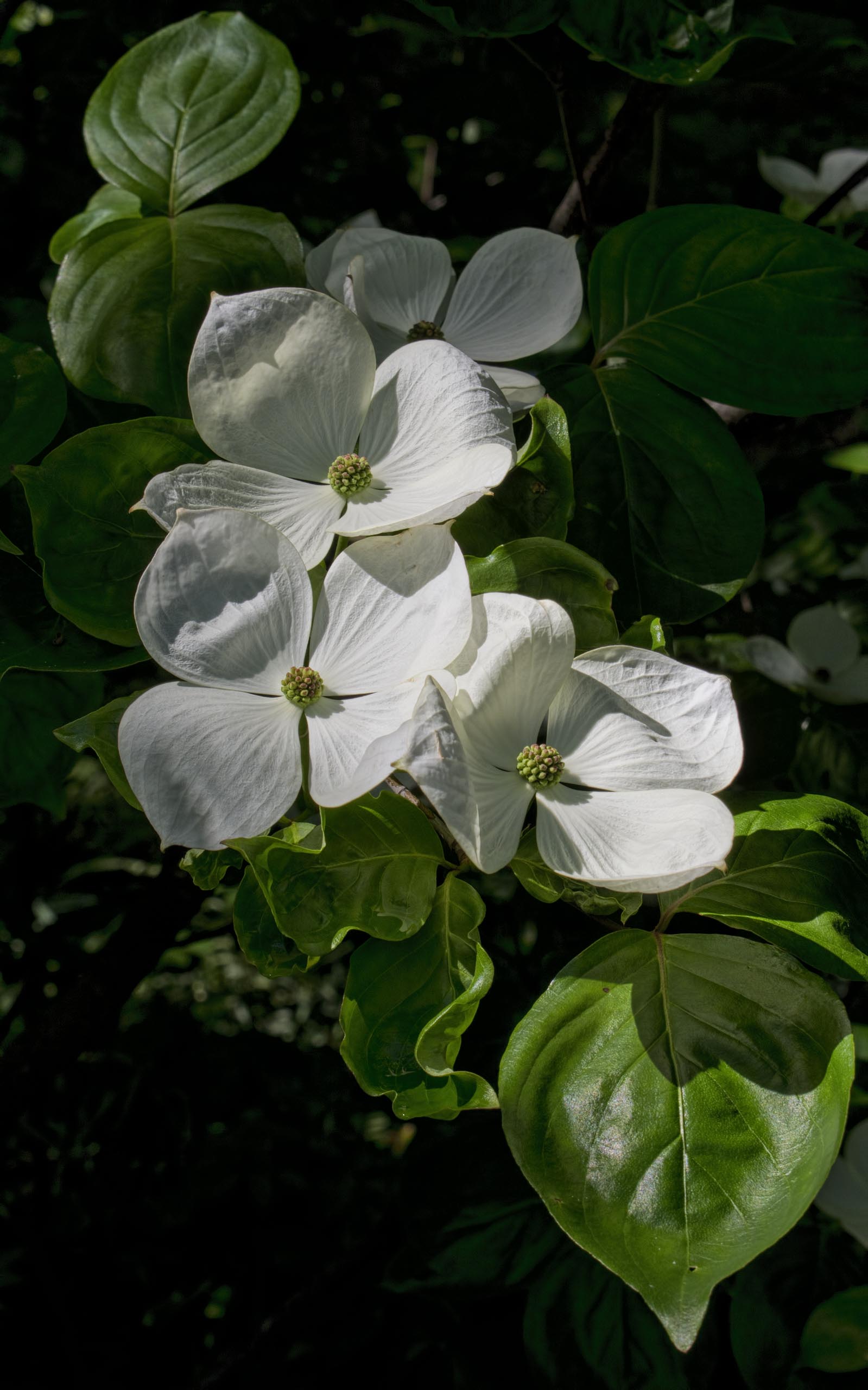
The weatherman predicts thunderstorms every day for the next ten days, so I made time today to visit to the botanical garden while the weather was still mild.

There are more pictures here.
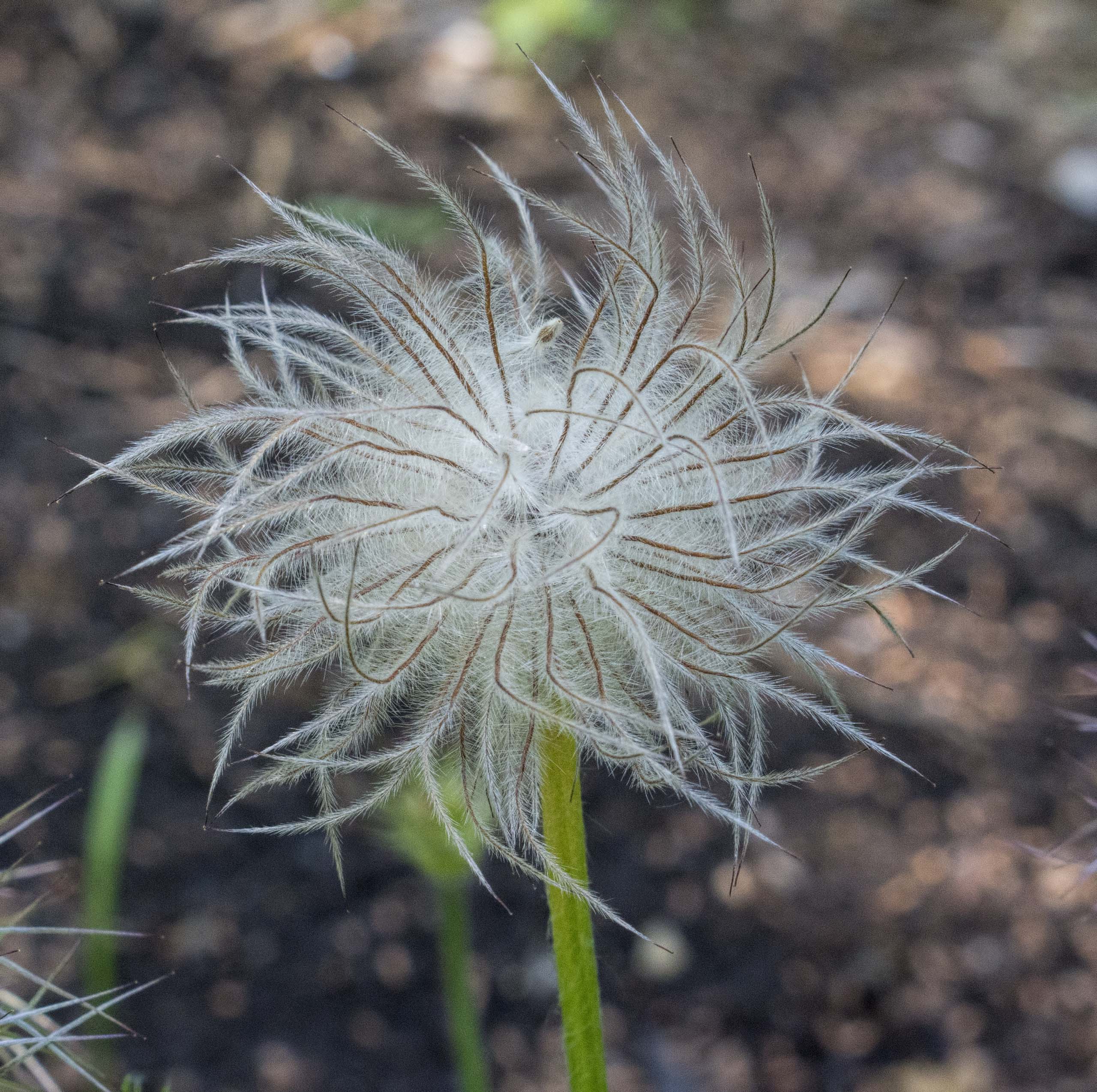
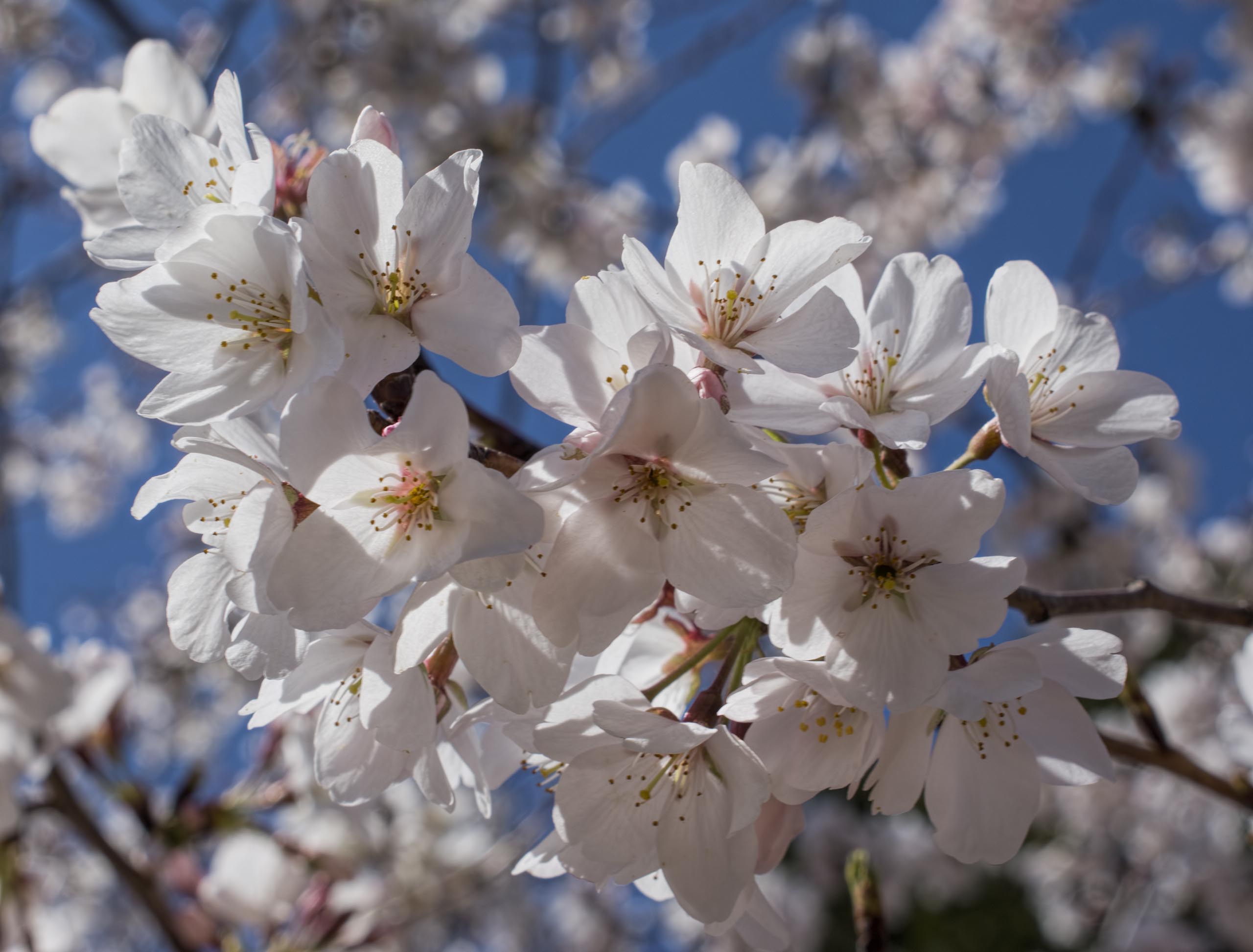
While the crypto-British Okame cherry at the botanical garden was badly damaged by the freeze in February, the Yoshino cherry did fine. The deciduous magnolias were also untouched by the cold.
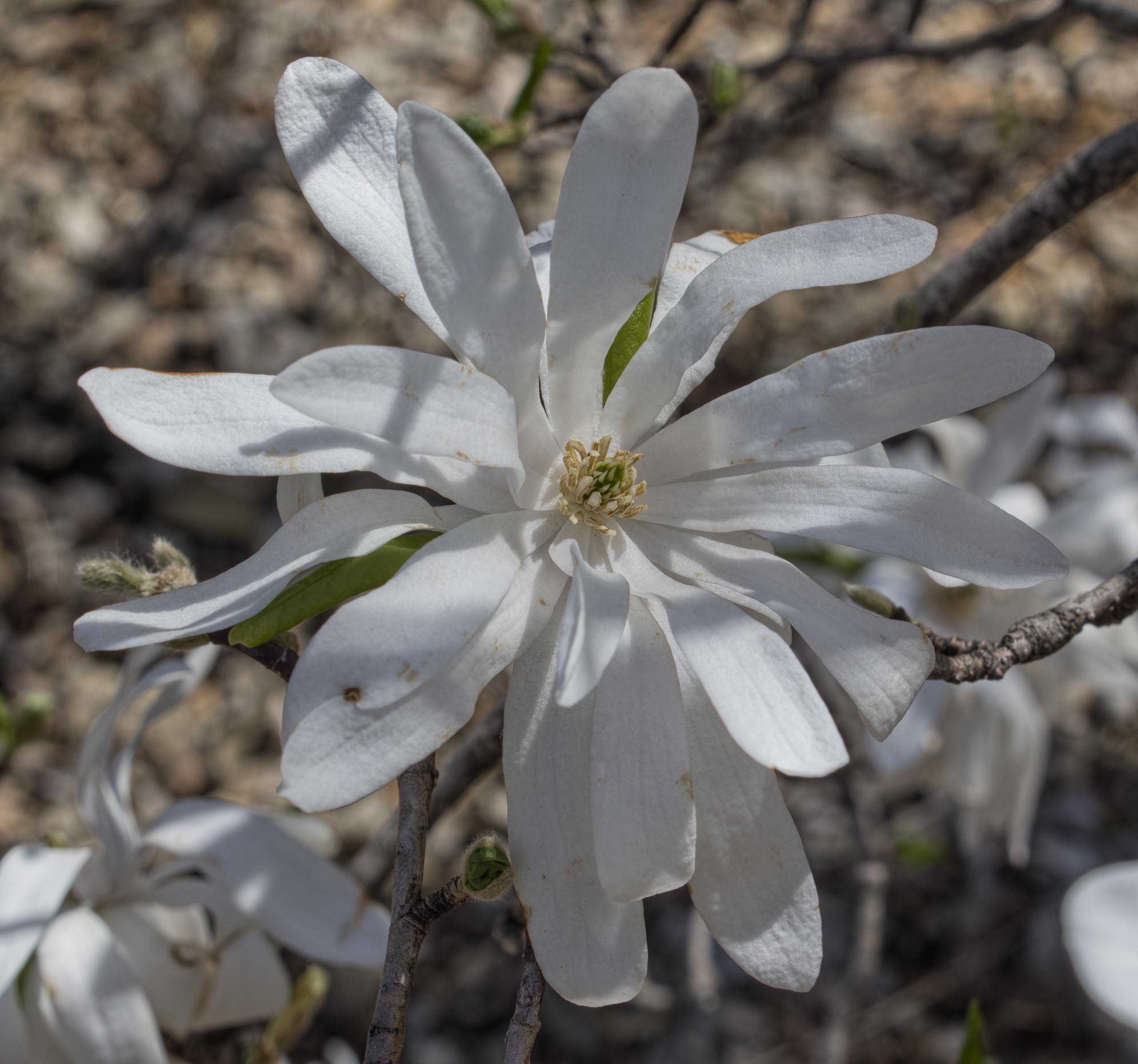
There are more pictures here
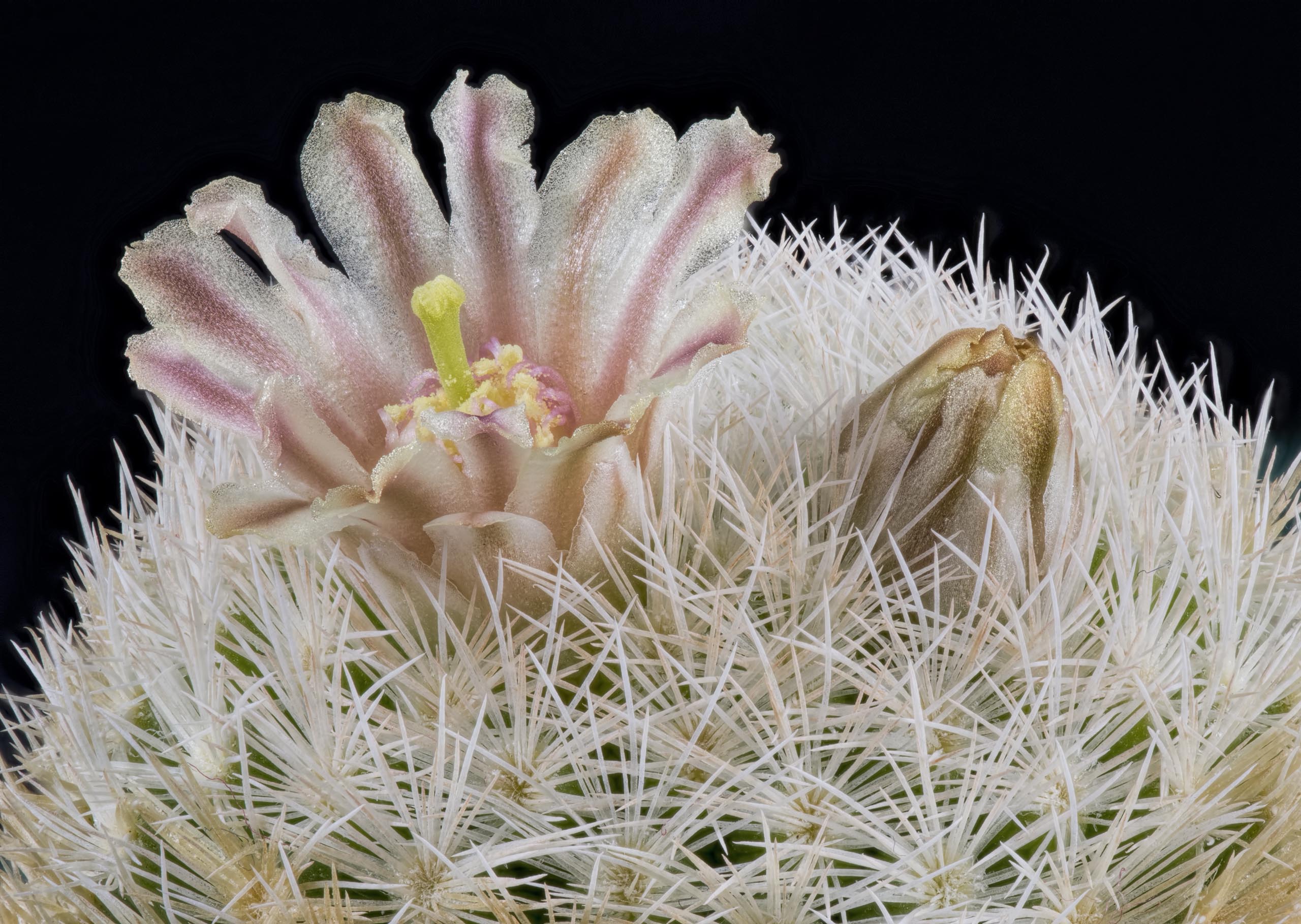
A Mammillaria lasiacantha that I started from seed a few years ago opened its first flower this week. It’s a small plant; the flower is about three-eighths of an inch across.
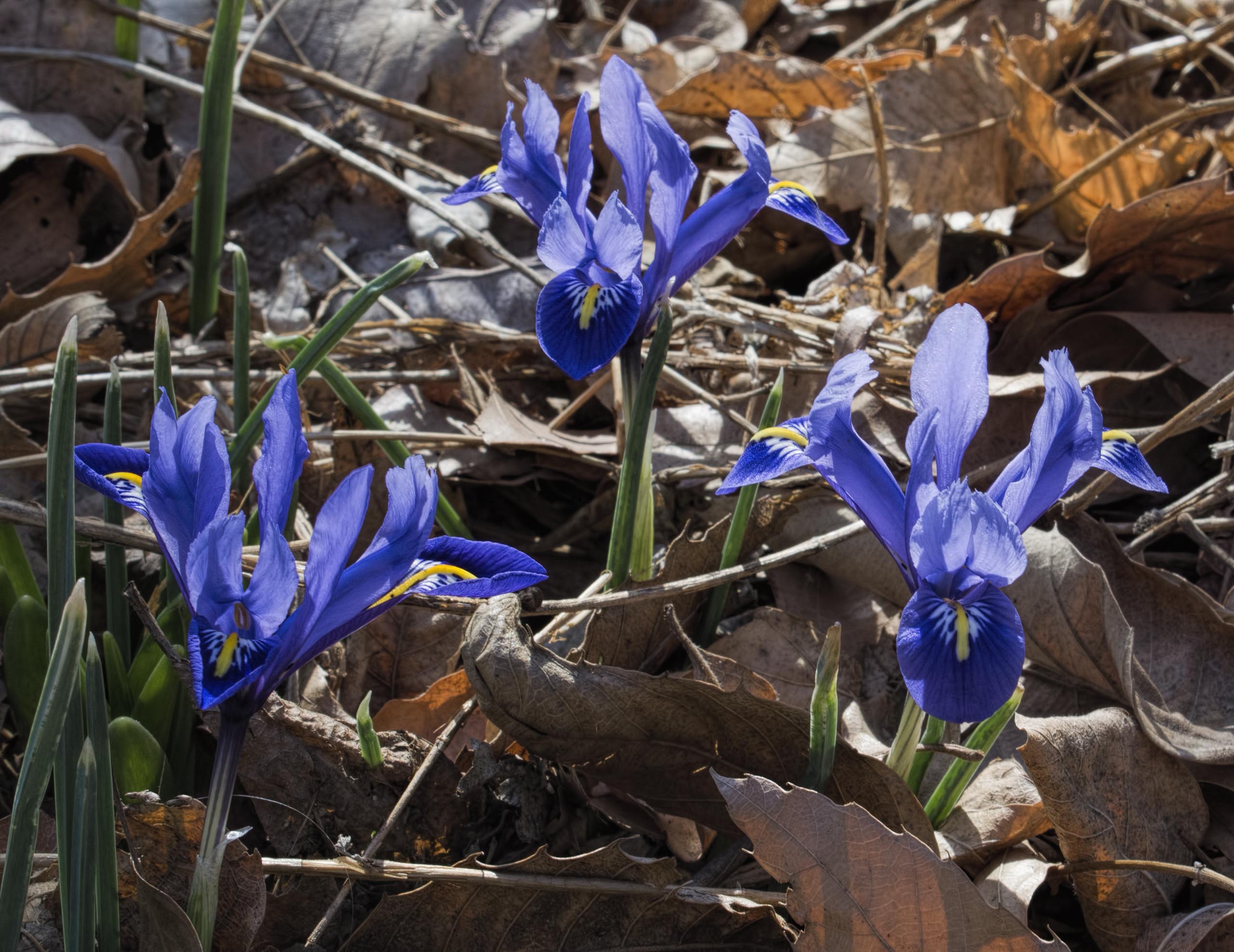
I got out to the botanical garden yesterday for the first time since November. There wasn’t much in bloom — no surprise, considering that it was -16°F just over three weeks ago. Most of the plants there seemed to have weathered the freakish freeze okay, though the winter jasmine, which would ordinarily be a mass of yellow at this time, was just a bunch of twigs. I was able to find a little bit of color here and there.

I was irritated to discover that the garden had installed numerous inspirational/motivational signs throughout a couple of sections. They’re unattractive and distracting, and they will obstruct the view as the gardens return to life. I also intensely resent being preached at. They had better be gone next time I visit.
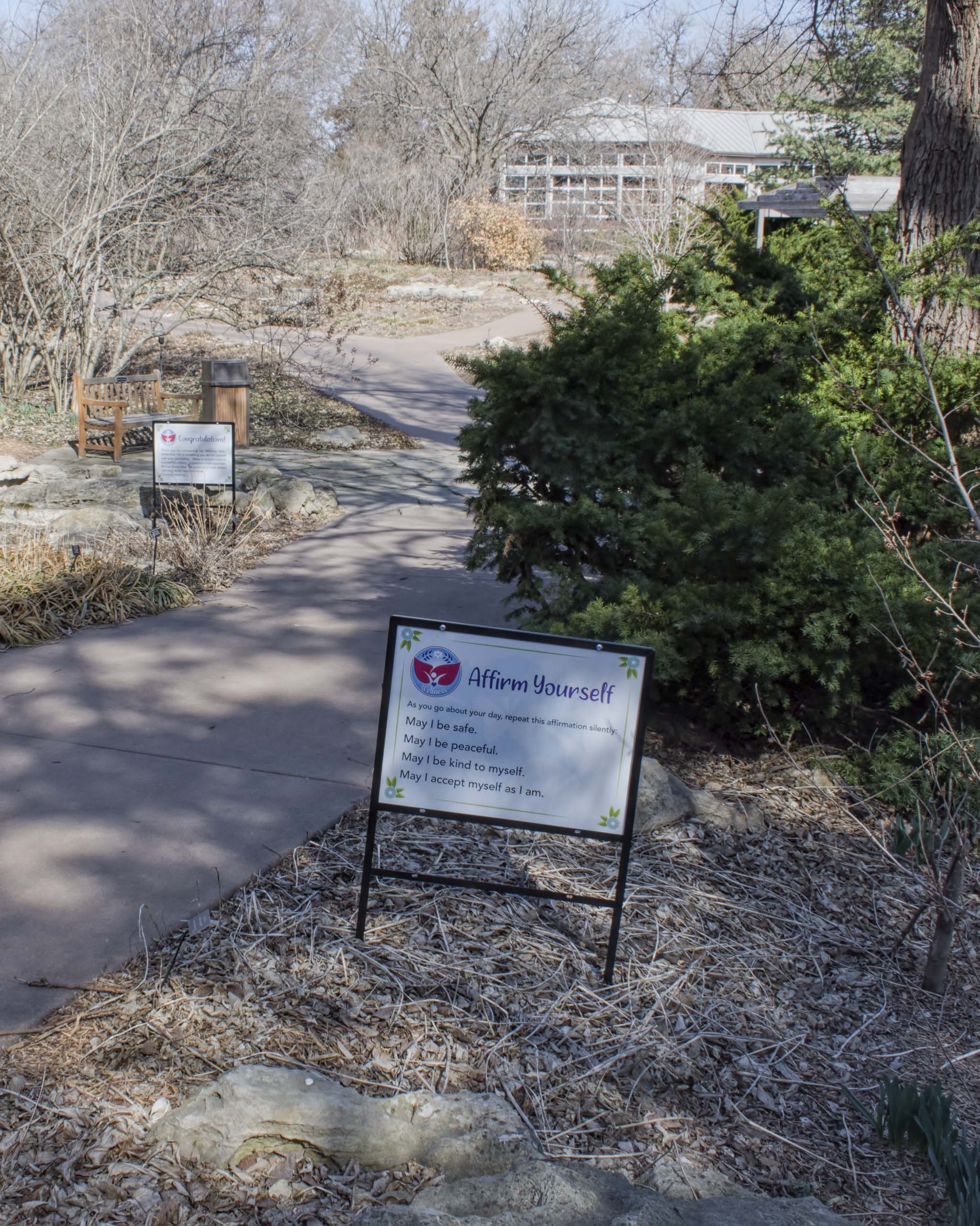
There are more pictures here.
Update: I made another trip out there, and this time I did find a bit of yellow jasmine.
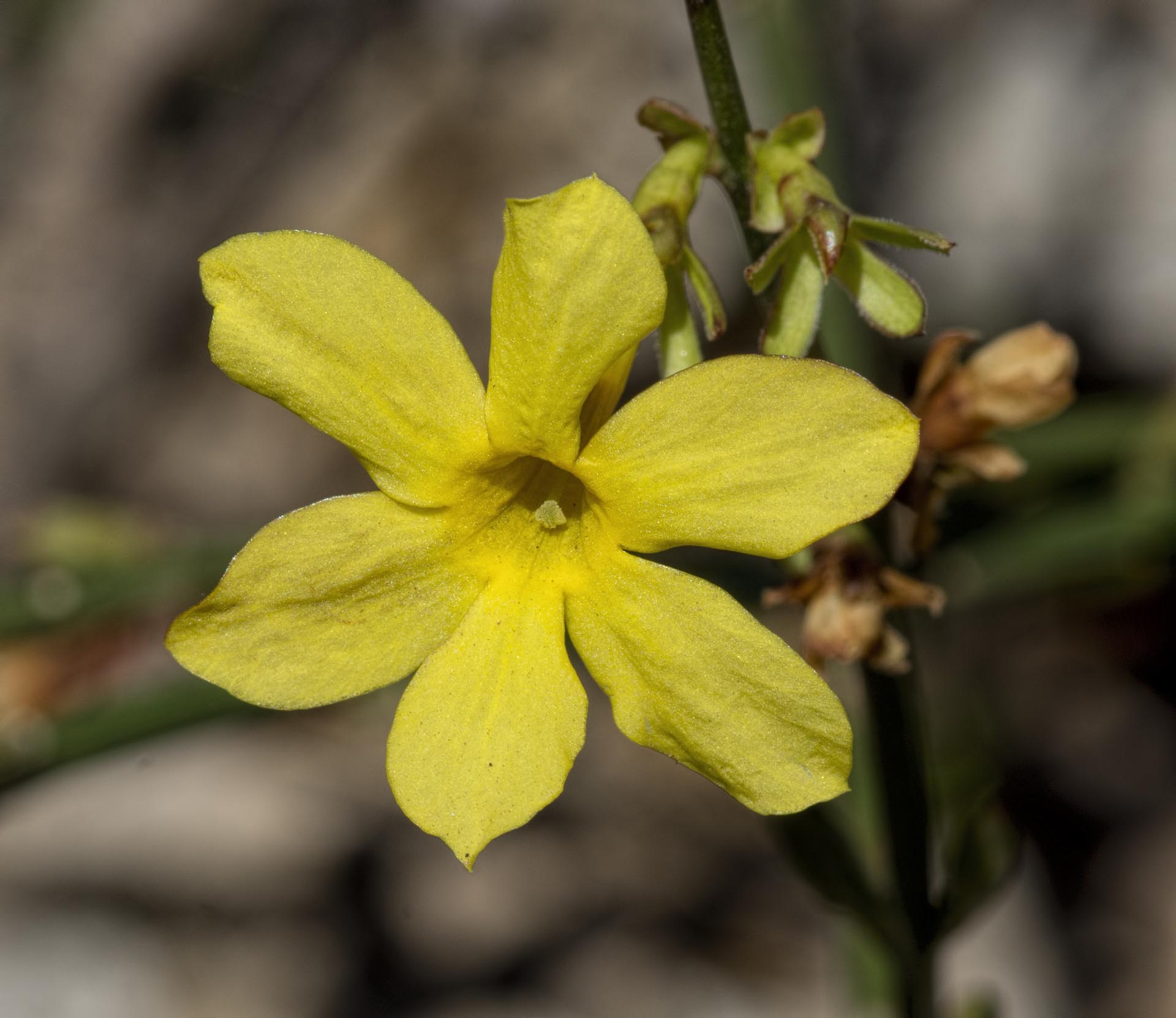
But only a few blossoms, not the usual hundreds and hundreds.

A detail from my front door this morning.
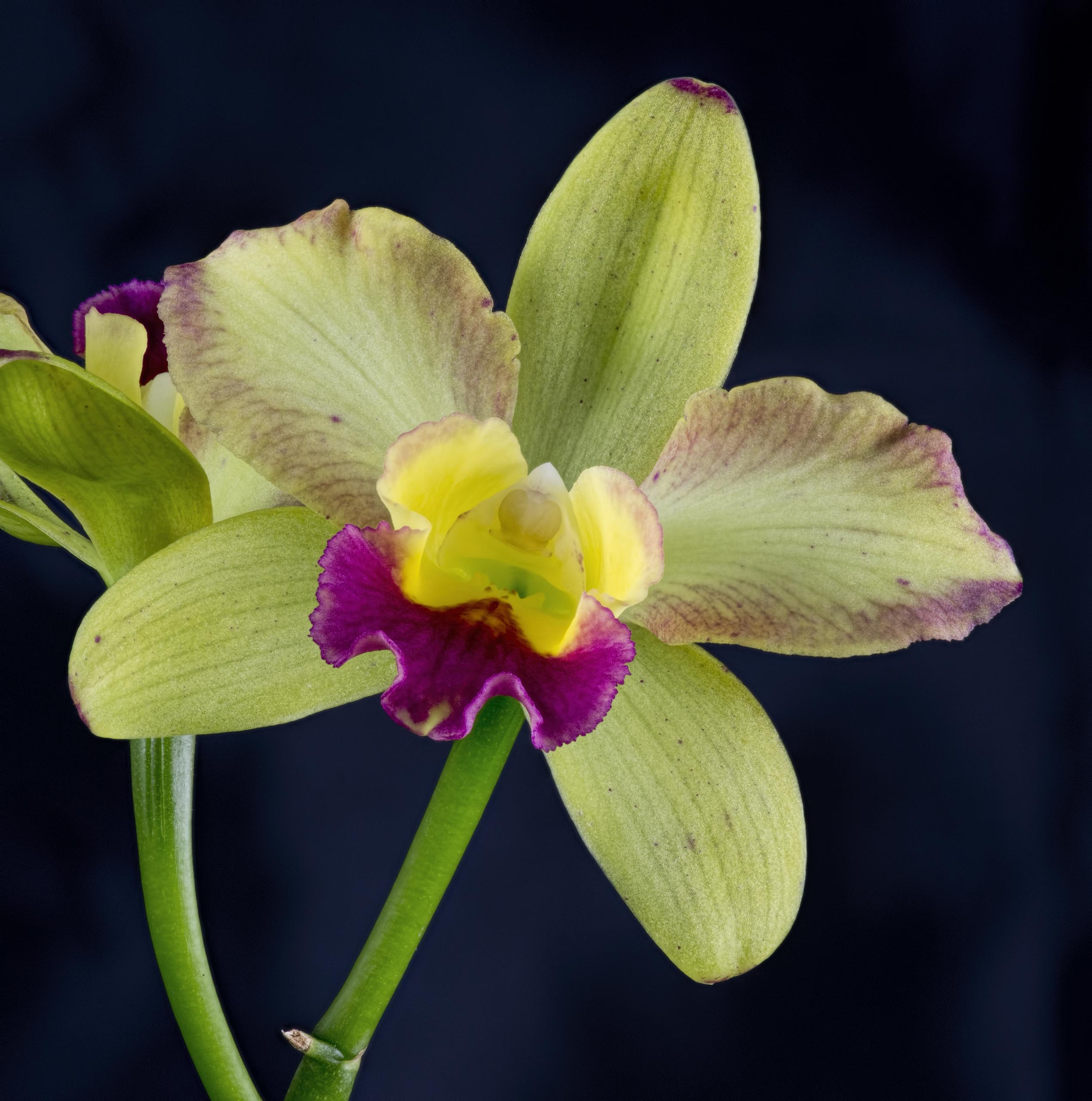
Since the local orchid show and sale was cancelled at the last moment, the orchid society had three tables’ worth of name-your-price and free plants to find homes for at the meeting last Sunday. I left the meeting with six. Half of them are in bloom.
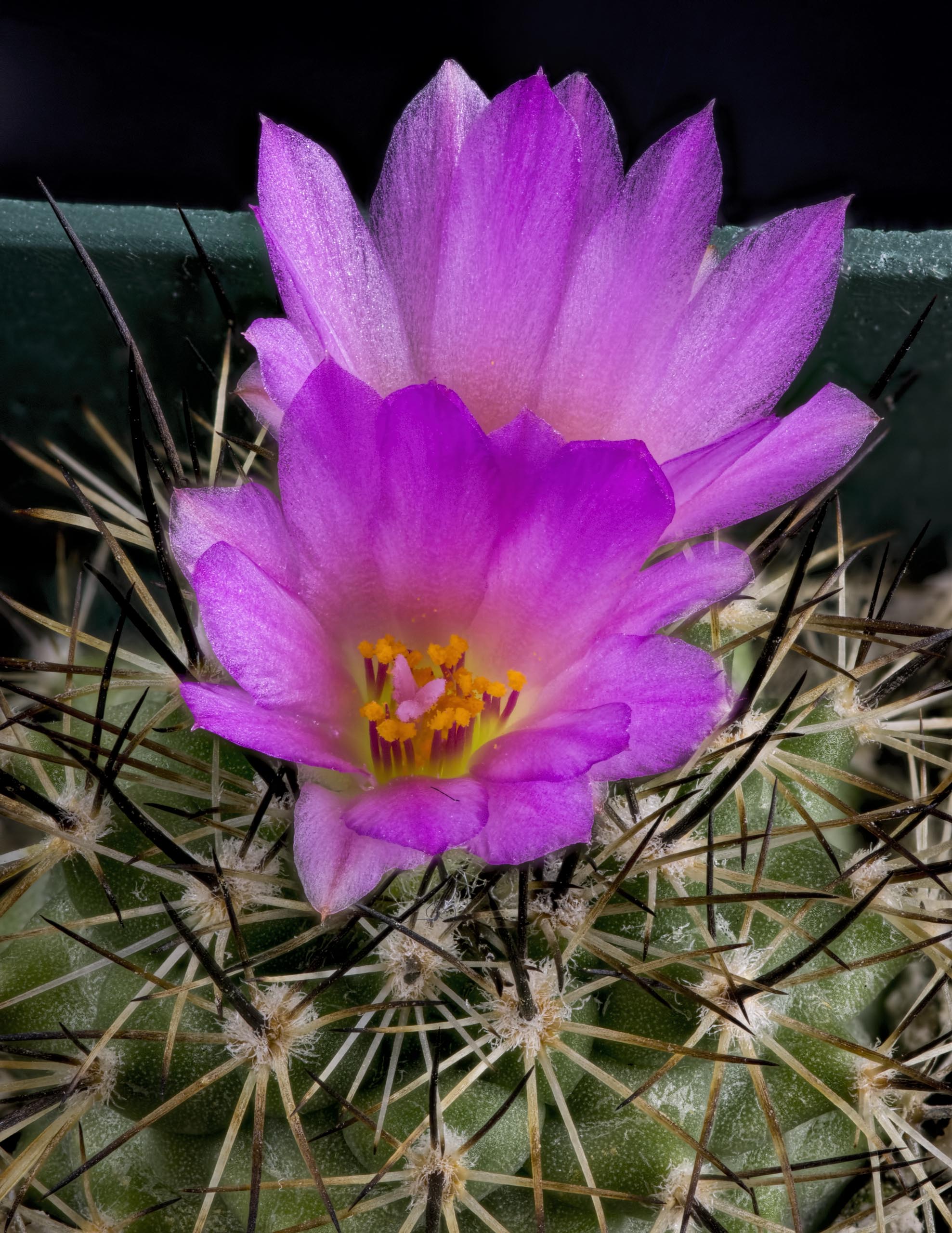
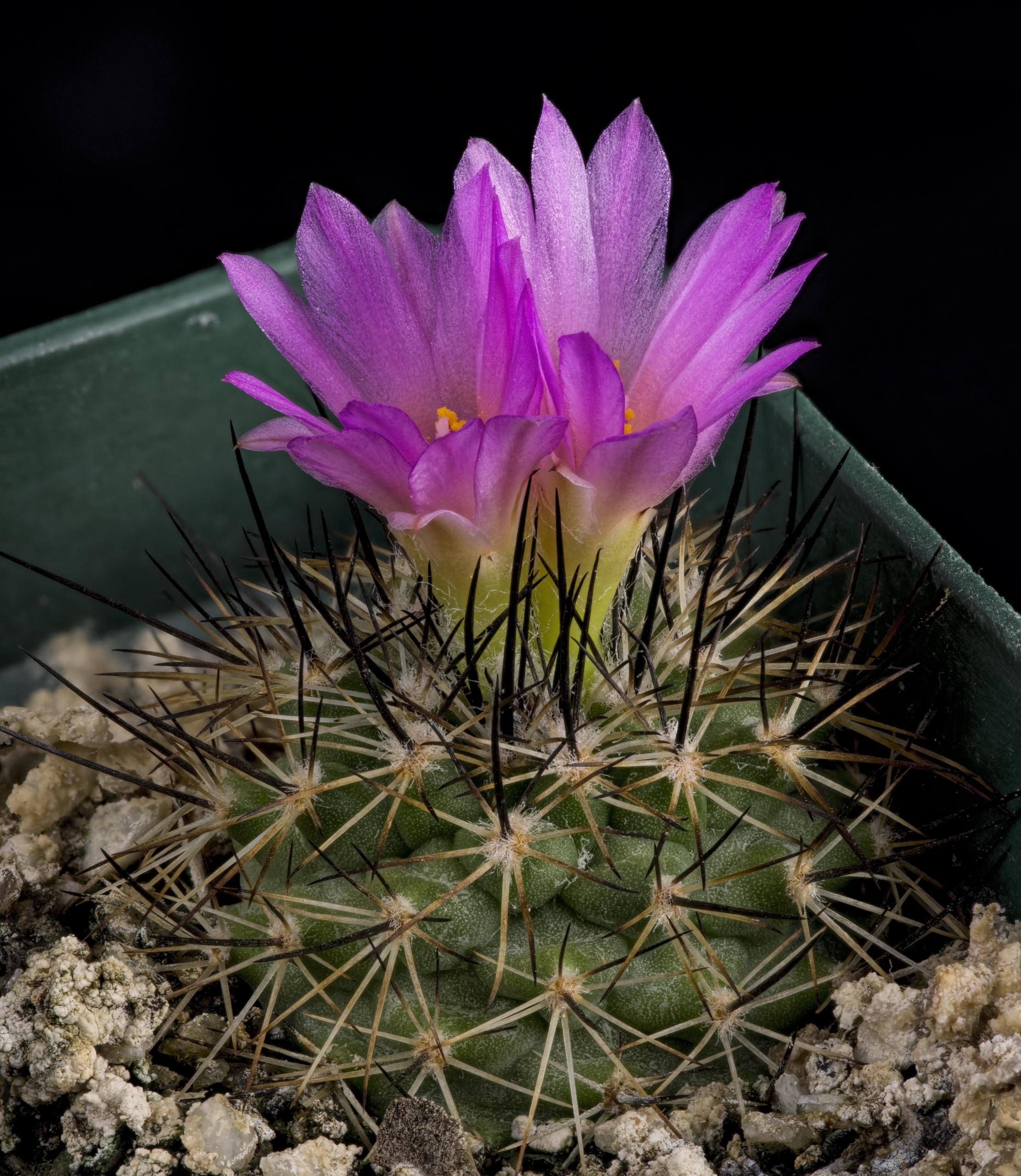
I wasn’t expecting much action from my cacti until things warm up again in the spring, but the Turbinicarpus roseiflorus that I started from seed a few years ago popped out a couple of flowers this week. It’s a small plant, slightly over an inch in diameter, exclusive of spines.
Both photos are stacked-focus, the one above compiled from 40 separate images. As usual, click the pictures to see them larger and with better color. Open in a new window for maximum detail.
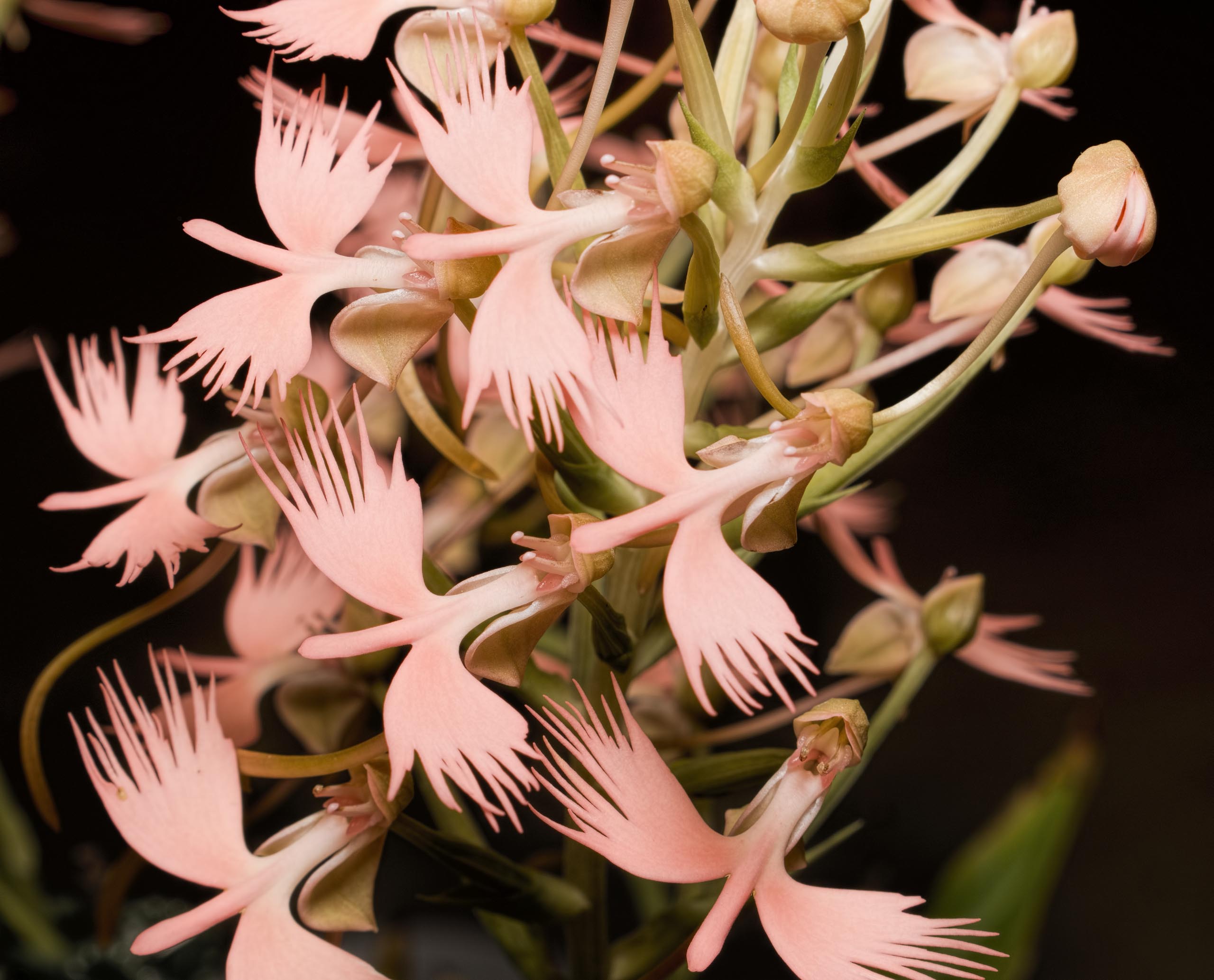
The orchid above is a form of Habenaria Jiaho Yellow Bird. Evidently the color is variable. I photographed it at the monthly orchid society meeting this week.
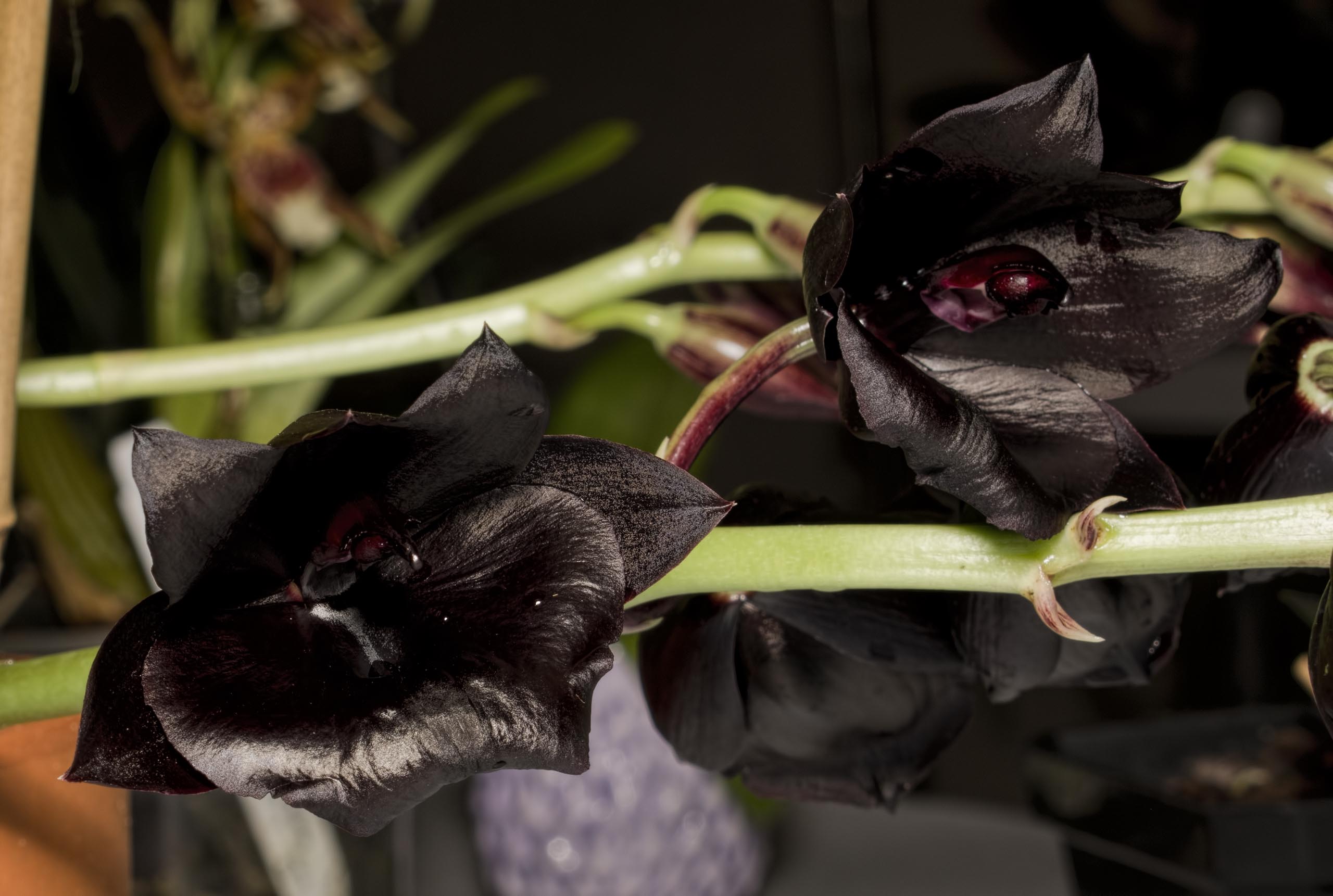
There were also a few Catasetinae with dark flowers. The darkest was the multigeneric hybrid Monnierara Millennium Magic “Witchcraft”, above, which is such a deep burgundy-maroon that it can be called black. The flowers were just starting to open when I took the picture, and they ought to be flatter when fully open. (It’s a recent hybrid, and probably not the source of Basil St. John’s black orchid serum. My best guess is that his orchid was an obscure Dendrobium.)
There are many more pictures from the meeting here.
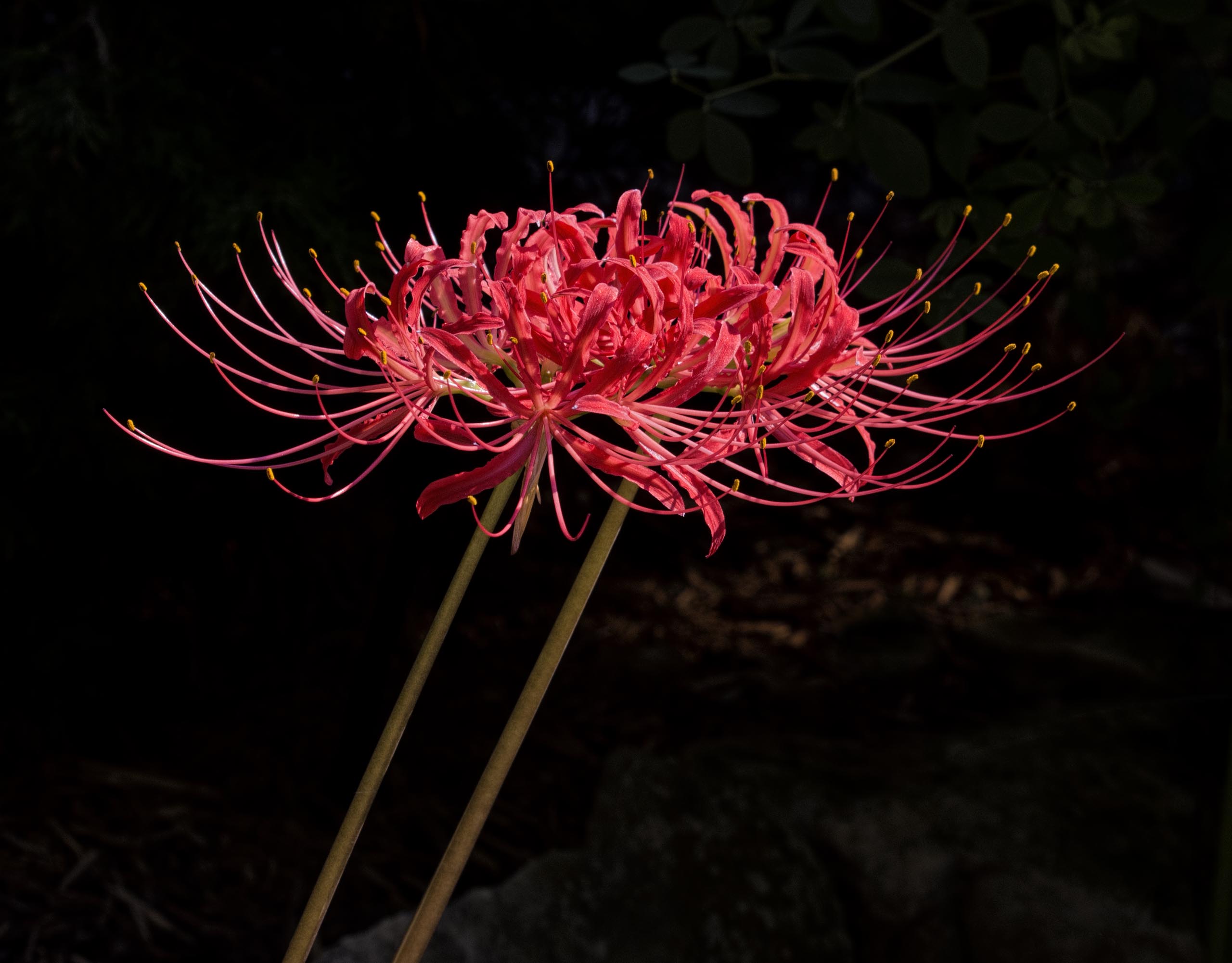
The botanical garden requires masks only when you are inside the buildings, not when you are in the gardens themselves, so I was able to grab a few pictures there without suffocating this week. While the naked ladies (Lycoris squamigera) are past their prime, the closely-related Lycoris radiata is just getting started. L. radiata has all kinds of significance in Japanese culture (if you see it in an anime, you’re probably in a graveyard), which I’m too lazy to summarize.
There are more pictures from the expedition here.
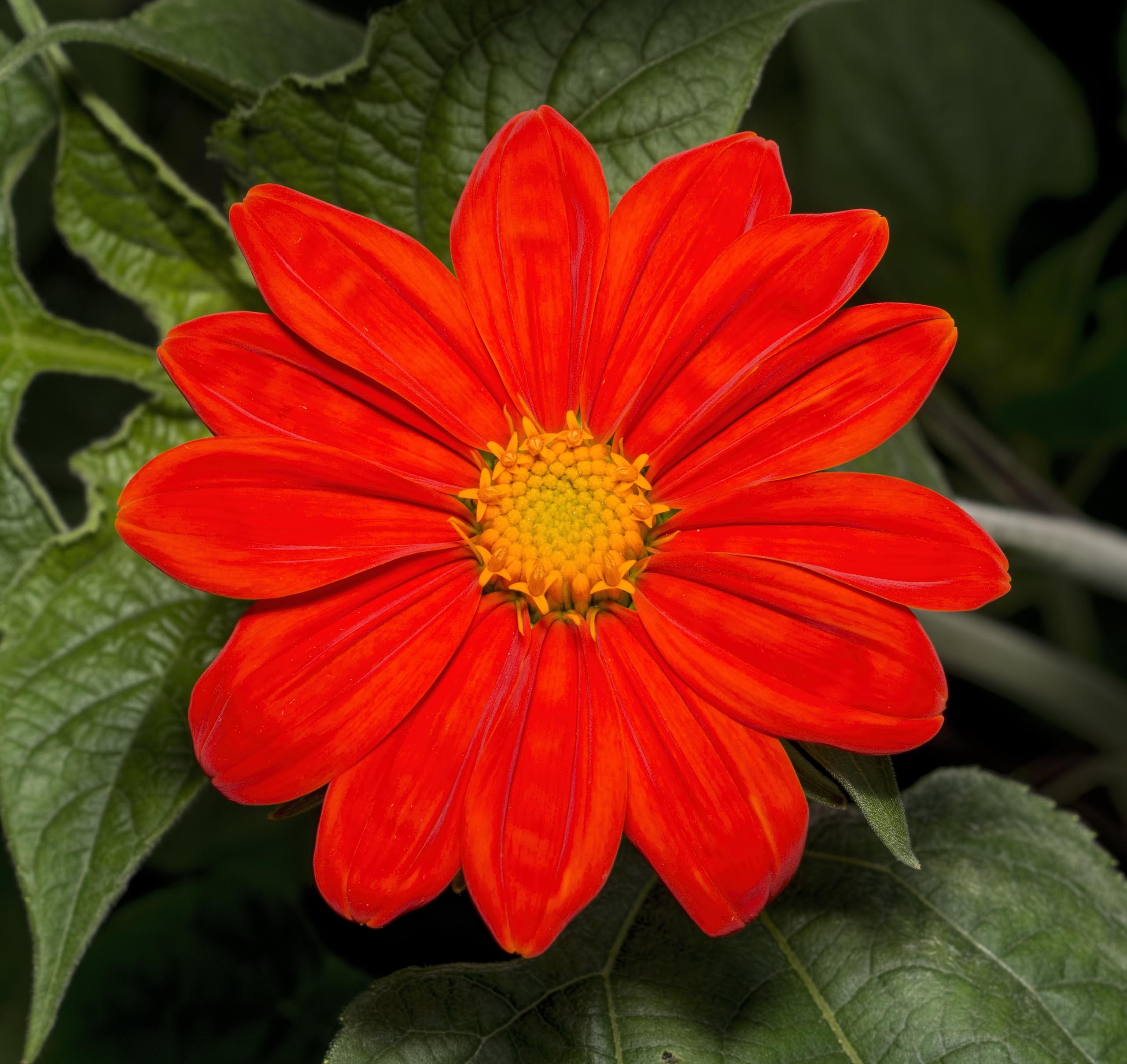
Most of the color in my little garden now comes from members of the Compositae Asteraceae, such as the Tithonia above. That one is at the red end of the color range; most are more orange.
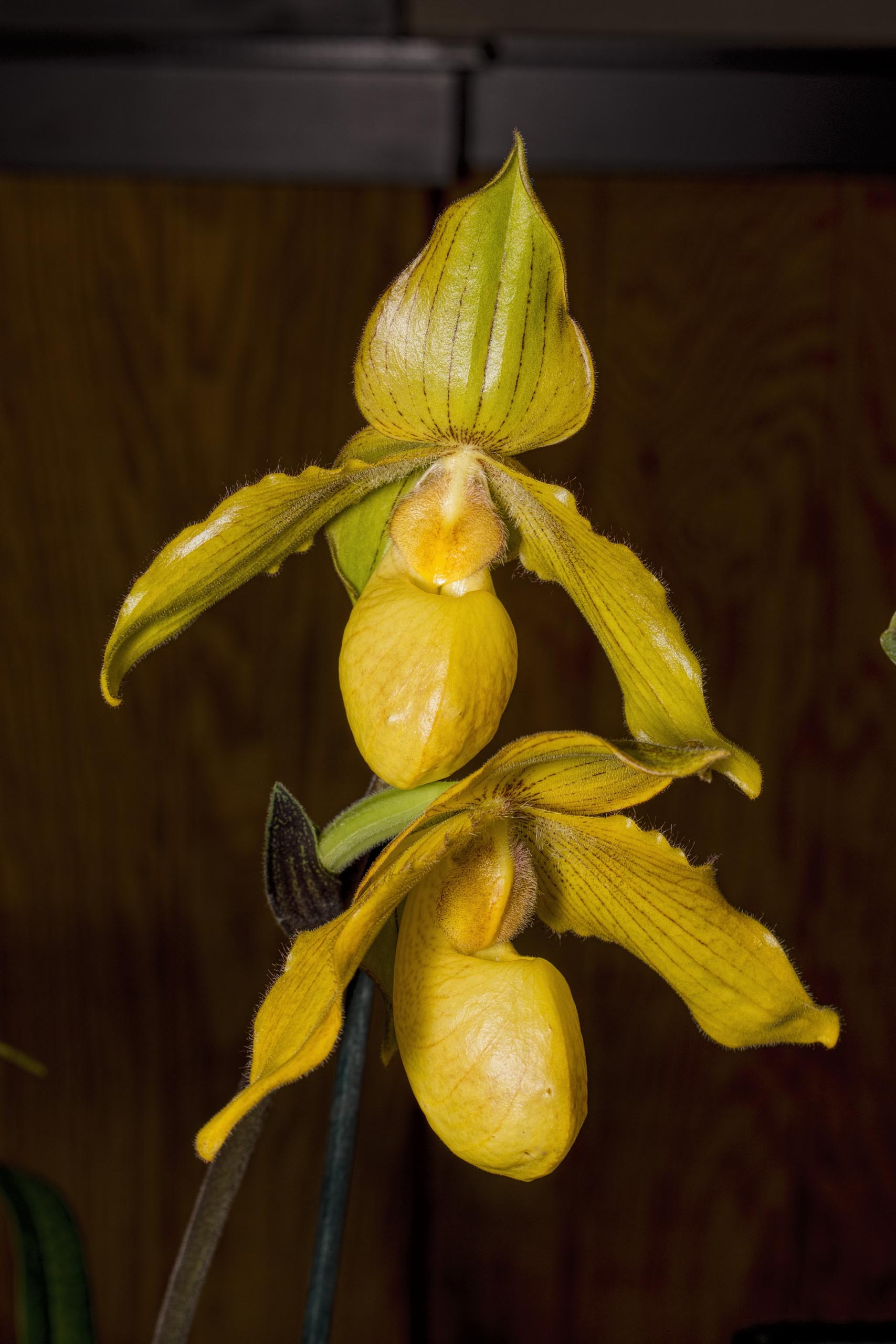
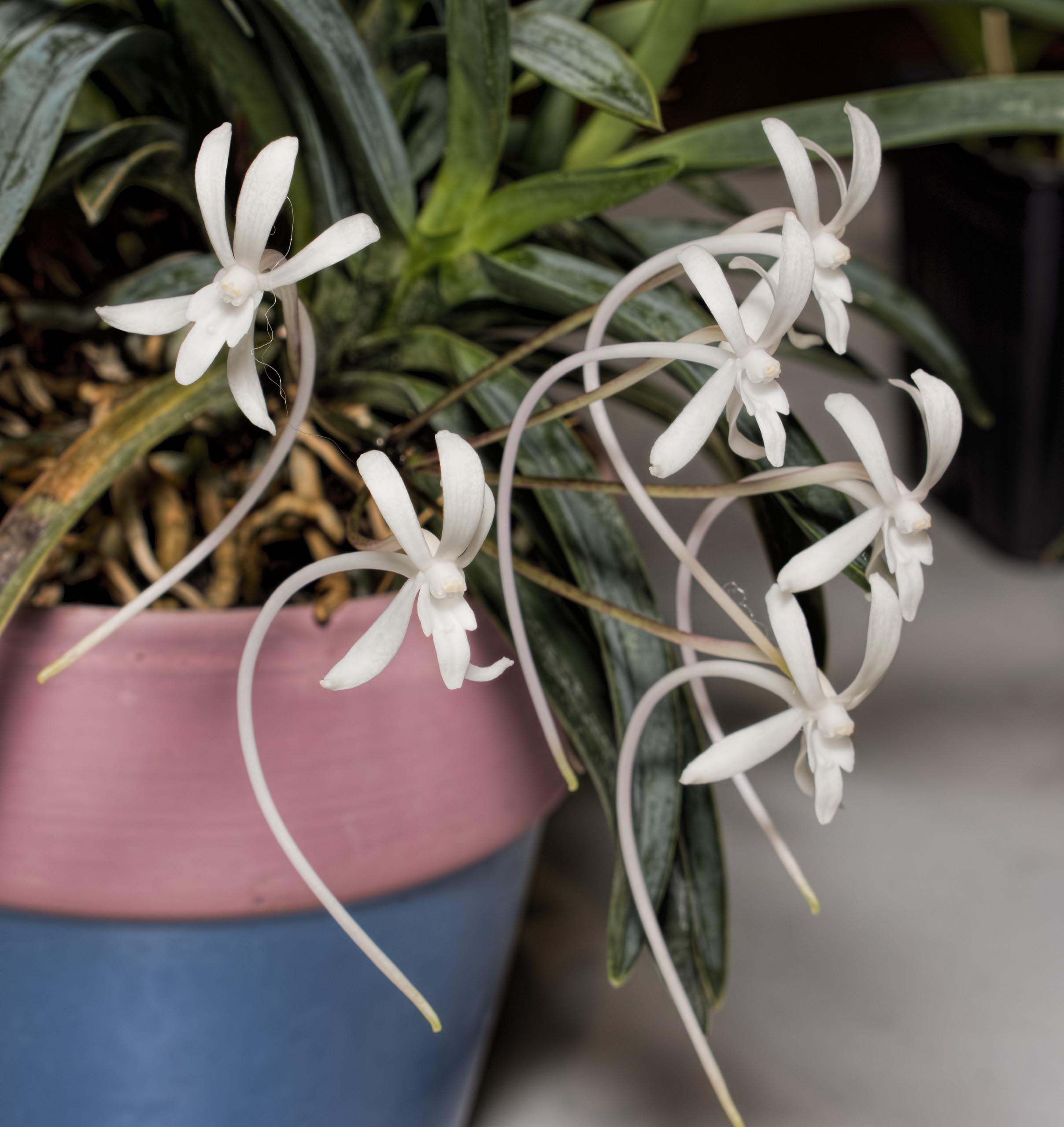
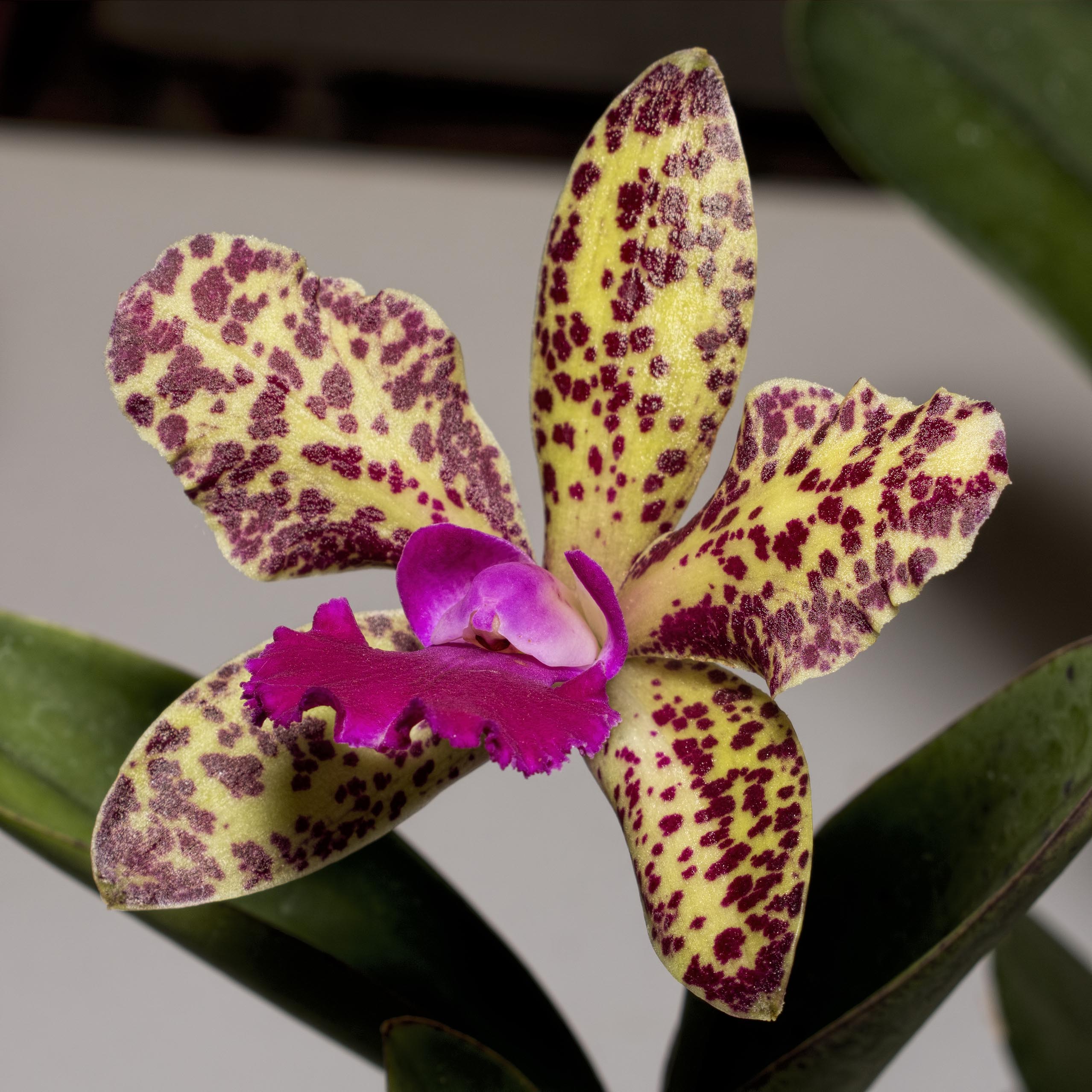
After a few months’ hiatus while the botanical garden was closed, the local orchid society is meeting again. These pictures are from the show ‘n’ tell at the meeting Sunday. As usual, click on the pictures to see them larger and with better color. There are more here.
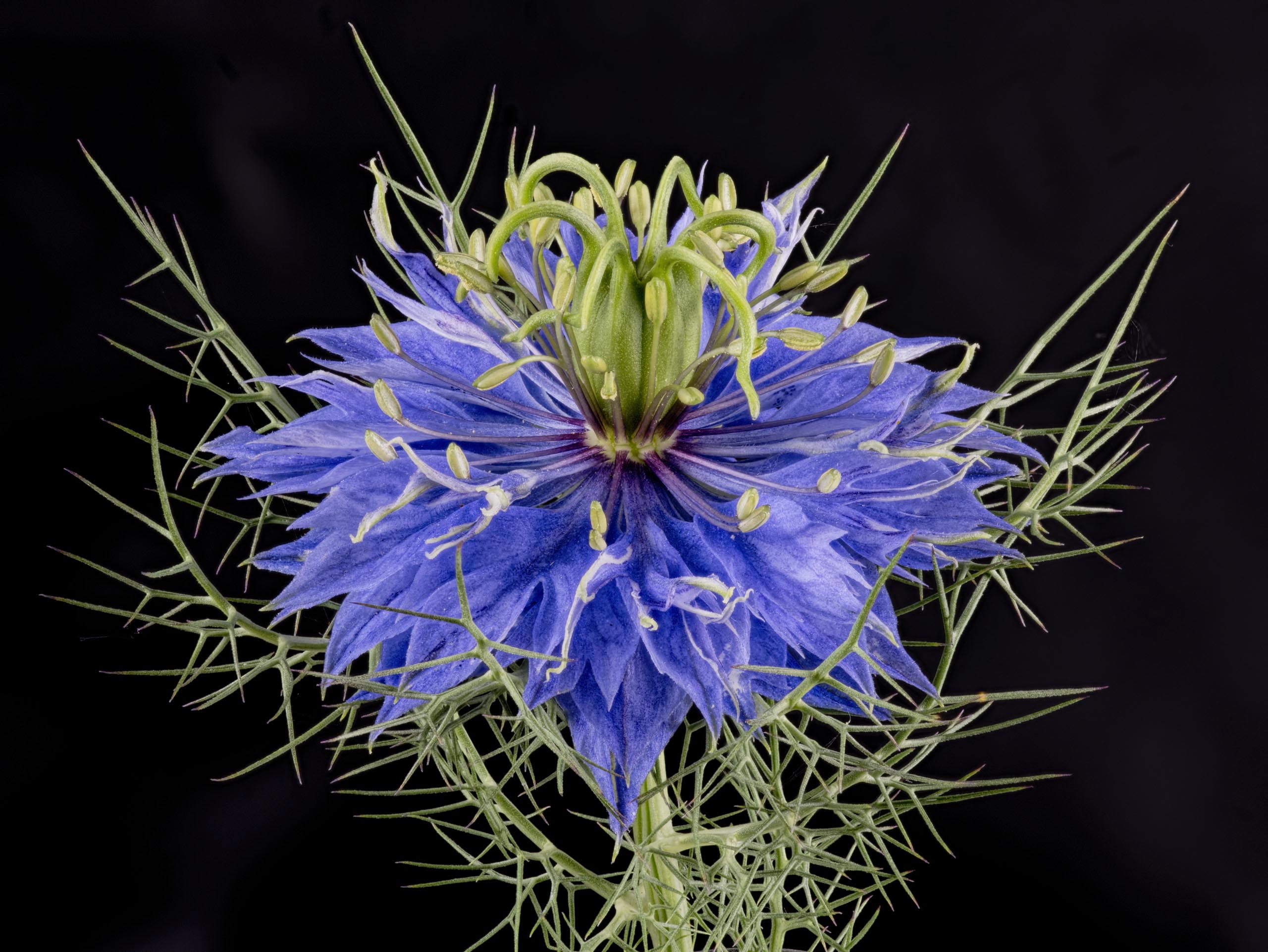
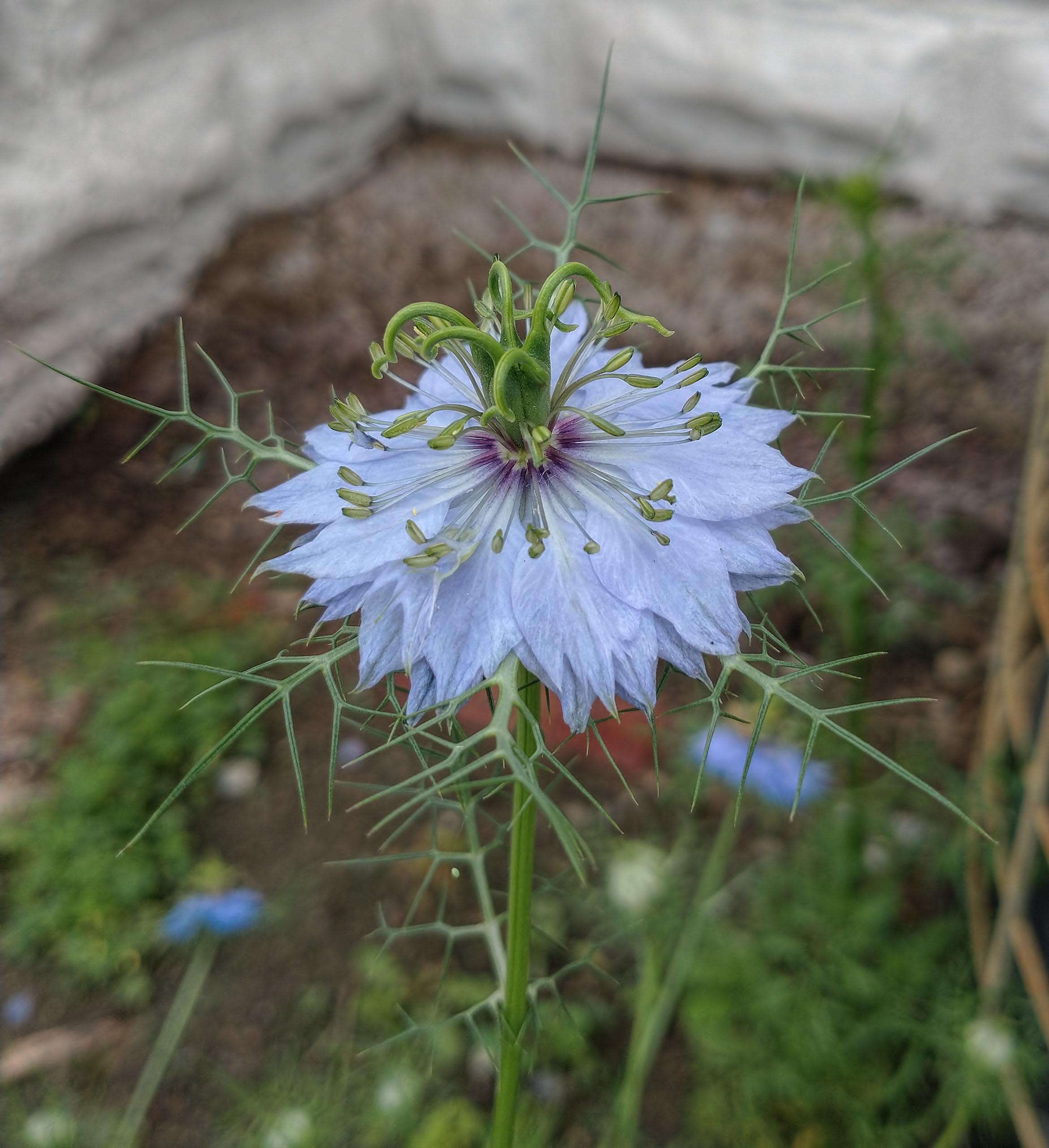
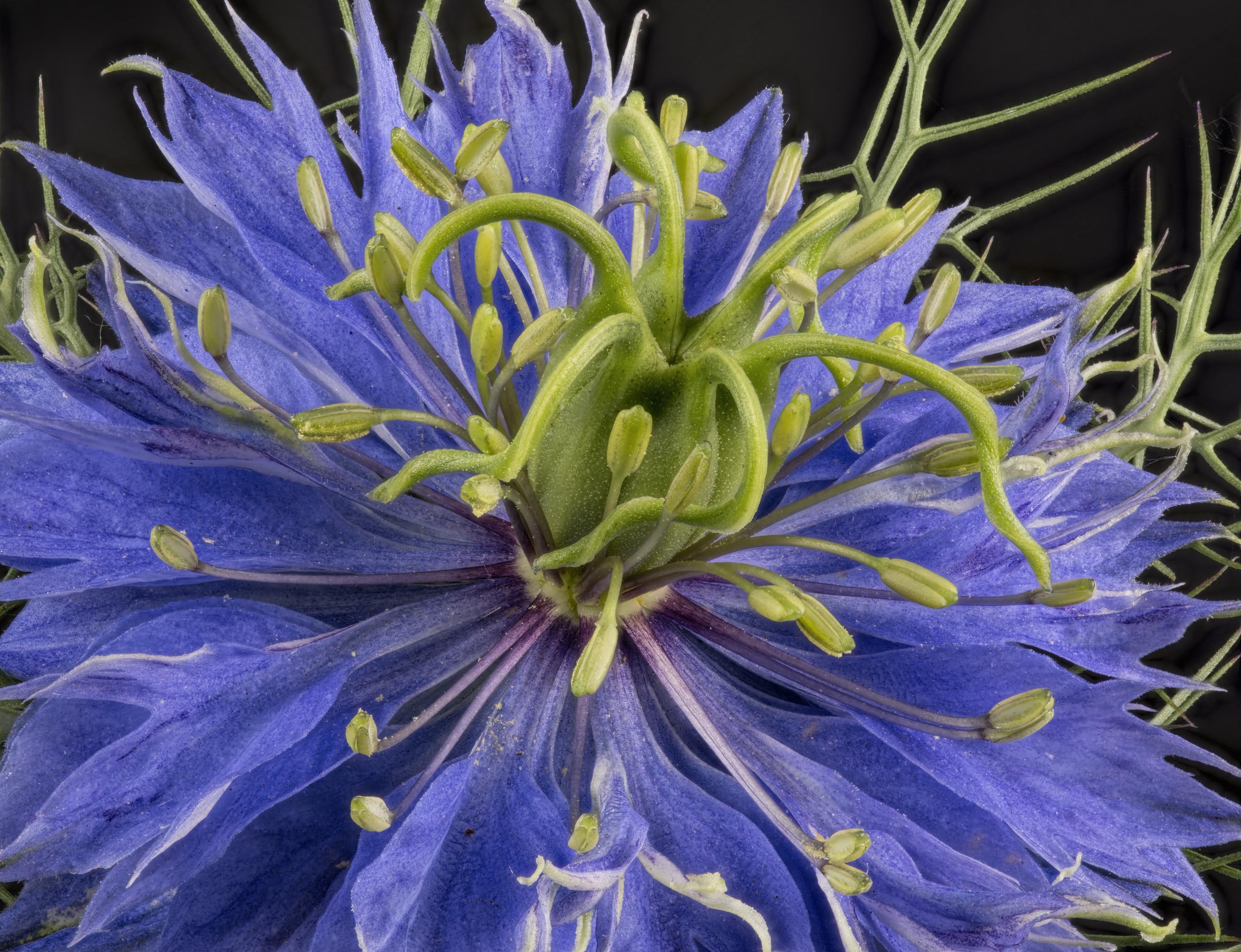
The last of the hardy annuals have finally bloomed — disappointingly, I’m afraid. The Nigella damascena flowers are pleasingly complicated and alien-looking, but nearly all of them are either white or blue. Blues are always welcome, but the package promised purples and reds as well. At least a third of them are single, and Nigella is one instance where double flowers are preferable. It’s probably time for the seed producers to re-select their stock.

Gilia capitata has small clusters of washed-out blue flowers atop tall, thin plants. The inflorescence above is about two inches across; the individual clusters are less than an inch in diameter. The package claims that it will bloom into October. We’ll see. Possibly shearing back the plants after the initial flowering will induce greater bushiness. G. capitata is a widespread plant with a number of subspecies. I suspect I have the the most common and least interesting form. If I grow it again, I’ll purchase my seeds from a different source.
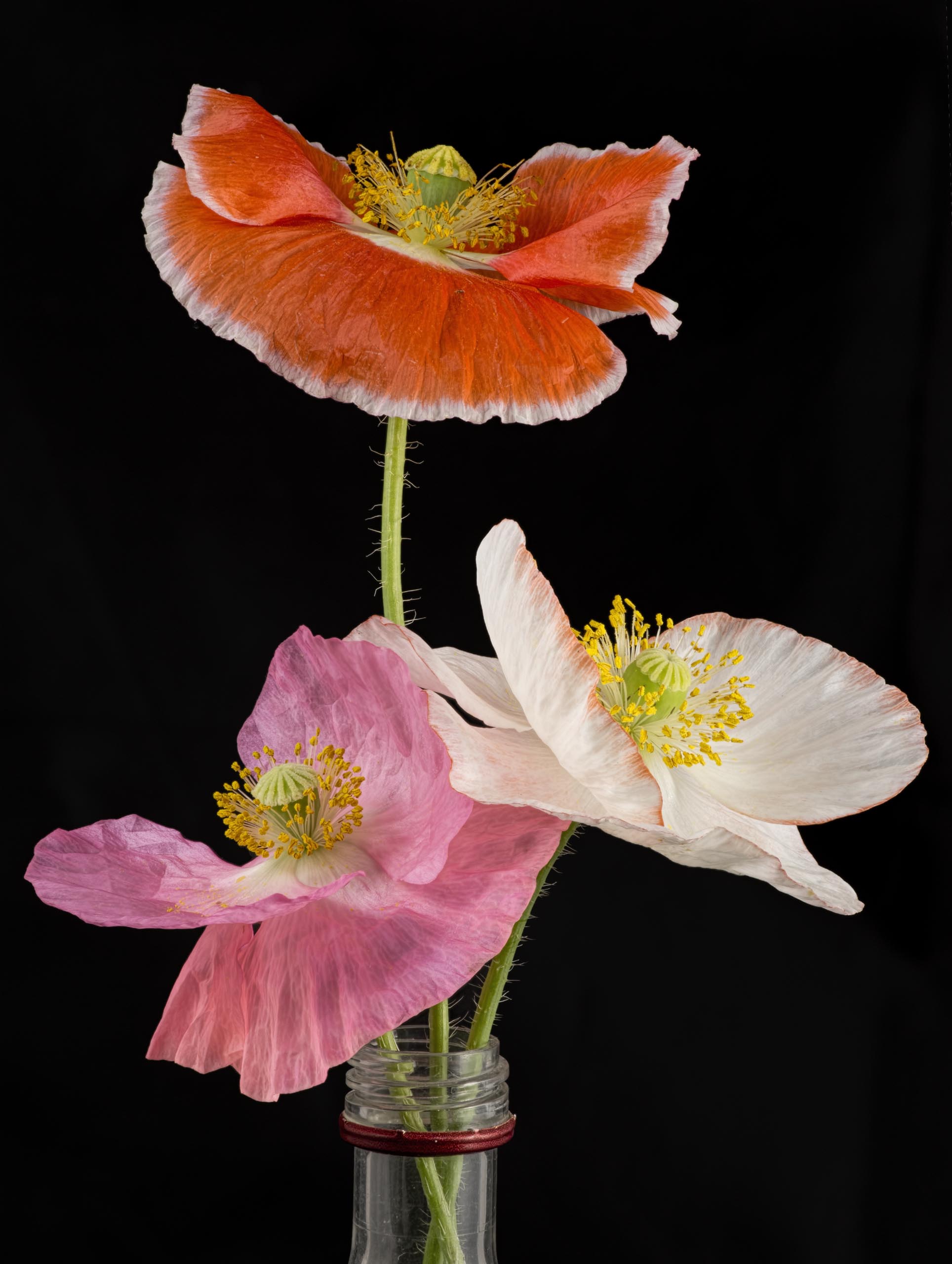
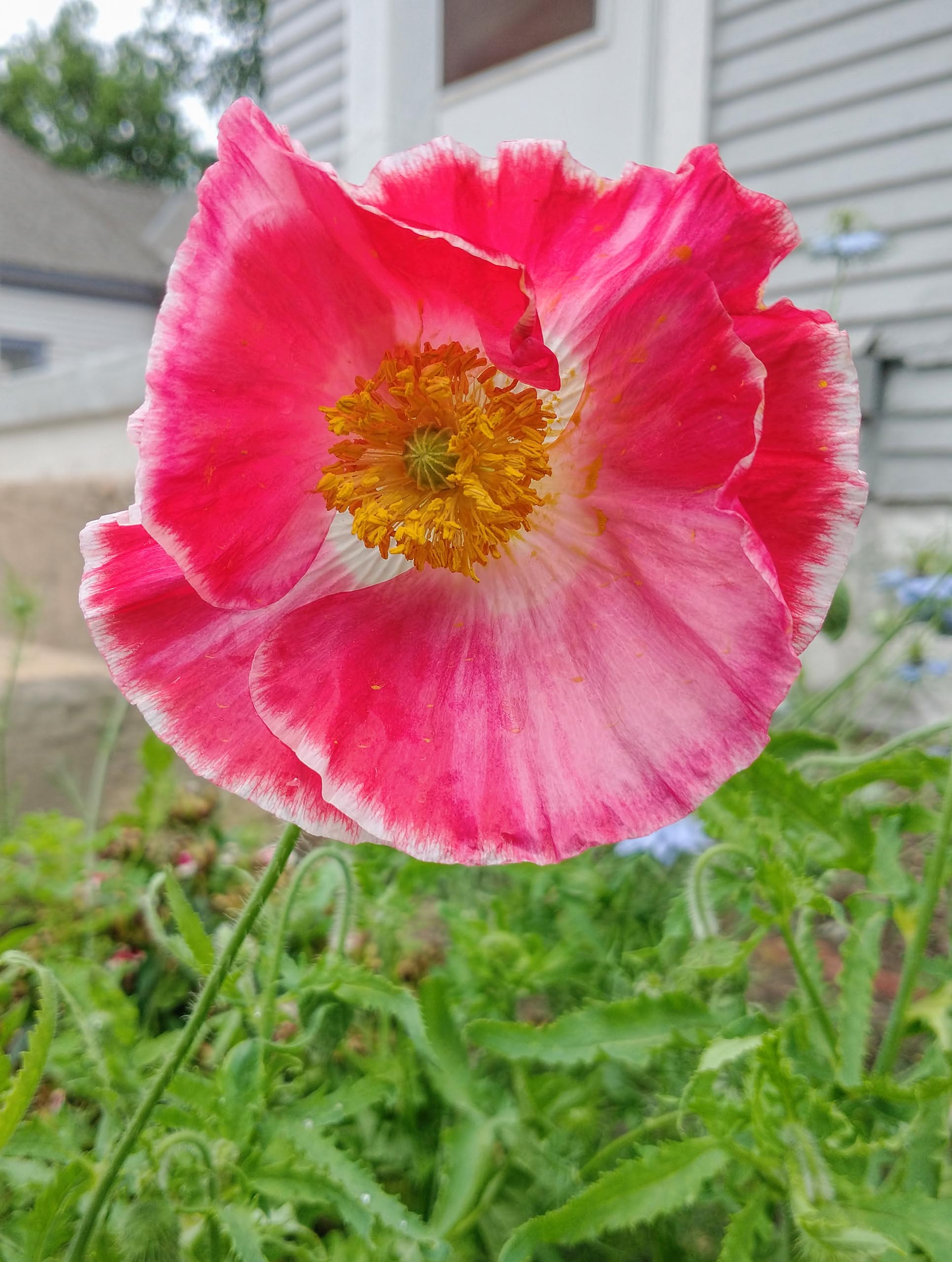
The Shirley poppies, Papaver rhoeas, are pretty much done. They might have lasted longer were it not for the large mammals that obliviously walked through them or drove into them. I might be able to get another week’s worth of color from the smaller planting out of traffic in front of the house.
For those keeping score, here’s a recap. Most of these were sown at the end of February.
Phacelia campanularia was first to bloom, with flowers of intense blue starting near the end of April on plants six inches to a foot tall.
Gilia tricolor followed shortly after with flowers in shades from violet to white on plants about a foot tall. These allegedly smell like chocolate, but I never detected any fragrance.
Eschscholzia californica was next, in the middle of May. (These were sown around the middle of March.)
Centaurea cyanus followed in the last week of the month.
P. rhoeas began blooming at the end of May.
Each of these bloomed for roughly a month, the Phacelia a little longer, the poppies probably a week less. I expect that I’ll get at least another two weeks of bloom from the Centaurea, Nigella and G. capitata. After that, I’ll be relying on the Mexican and south-western annuals — Zinnia, Cosmos, Tithonia, Thymophylla — for color.
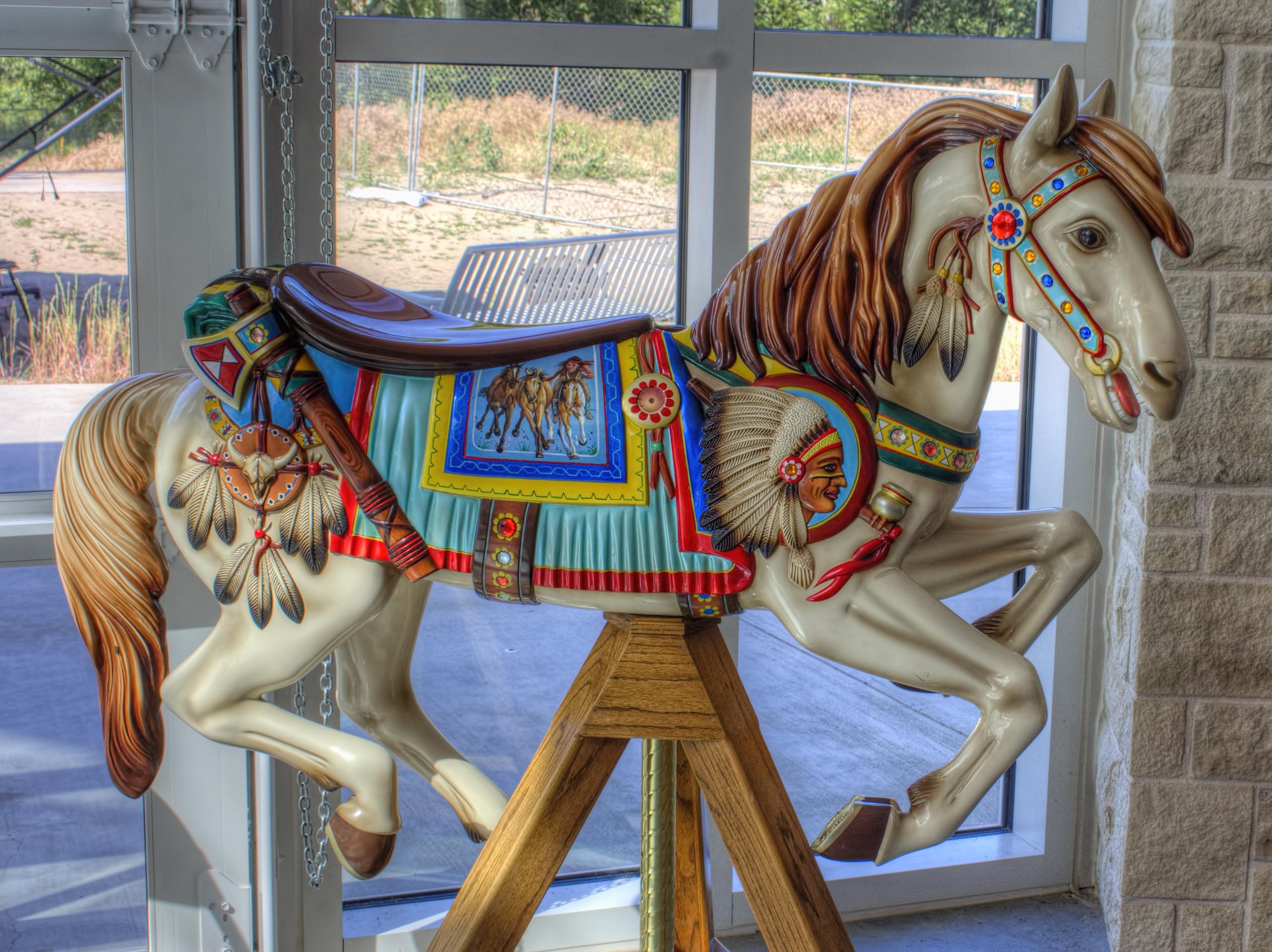
Back in ancient times there was an amusement park in the south end of Wichita called “Joyland,” with the usual roller-coaster and rides, cotton candy, snow-cones and noise. I recall it being moderately fun when I was an eighth-grader, but over the years it deteriorated and became a place where you didn’t want to be during the day, let alone the evening. Eventually Joyland was closed, and vandalized, and dismantled.
Several years ago, the botanical garden received the remains of the carousel. Restoring the carousel to working order was the excuse for a long-term fund-raiser at the garden. It’s supposed to be open to riders very soon, but there’s a hitch:
THE KHICHA FAMILY CAROUSEL WILL BE REOPENING.
A FEW THINGS YOU WILL NEED TO KNOW:
Half of the horses will be taken out.
There will be markings on the floor – 6 feet1 apart.
There will be longer times between rides
(an operator will be wiping down each horse).
I took a few pictures during a visit to the garden earlier this week.

Like virtually every other institution in Wichita, it is partly funded by the Kochtopus.

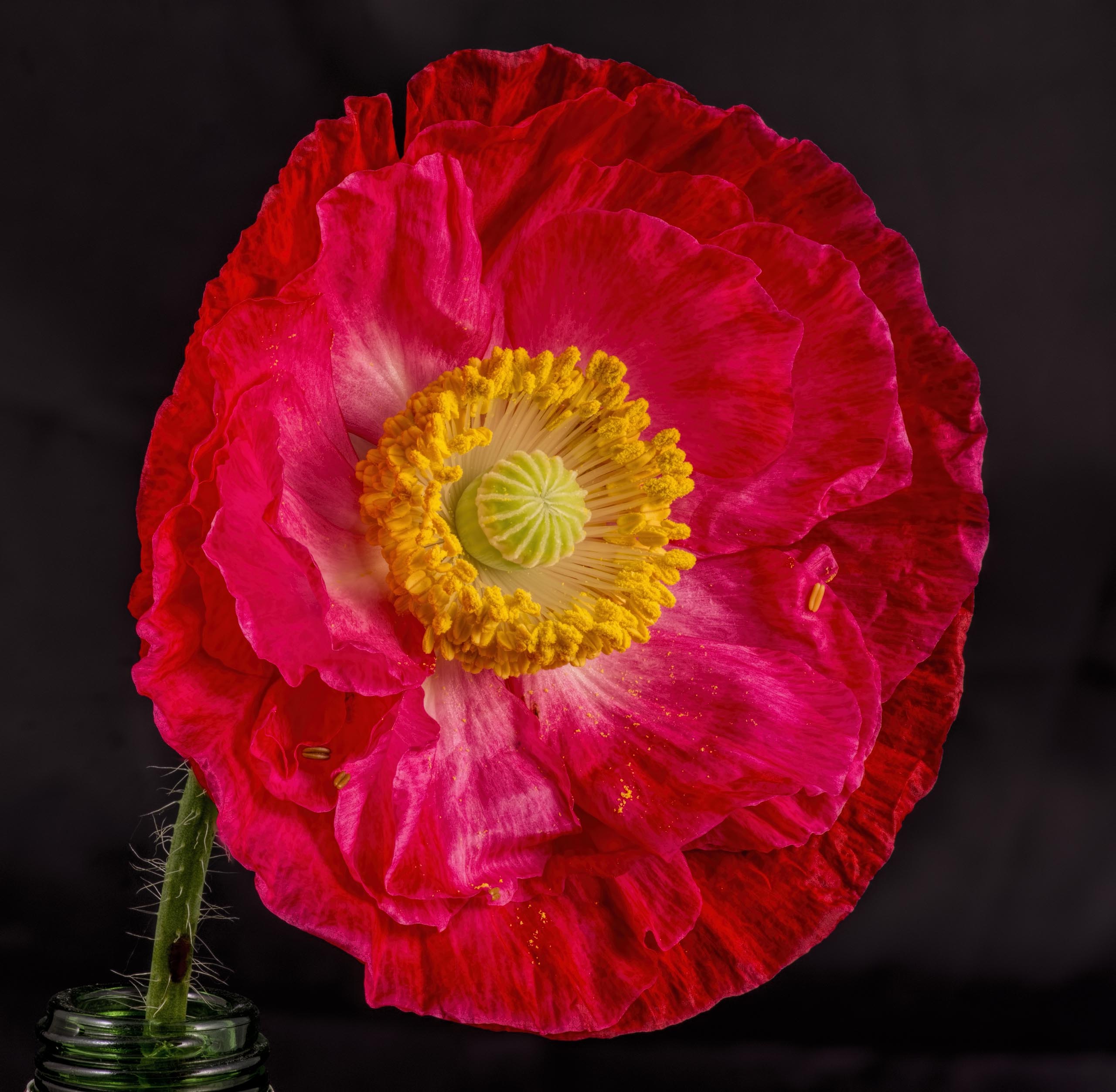
Now for something less depressing. Here are some more poppies that haven’t yet been flattened by irresponsible drivers and other large mammals.

True Papaver poppy, that is. The California poppies have been putting on a brilliant show for a couple of weeks now.
(There should have been poppies already, but the main patch is along an alley, and some jackass driver flattened a swath of them earlier this week.)
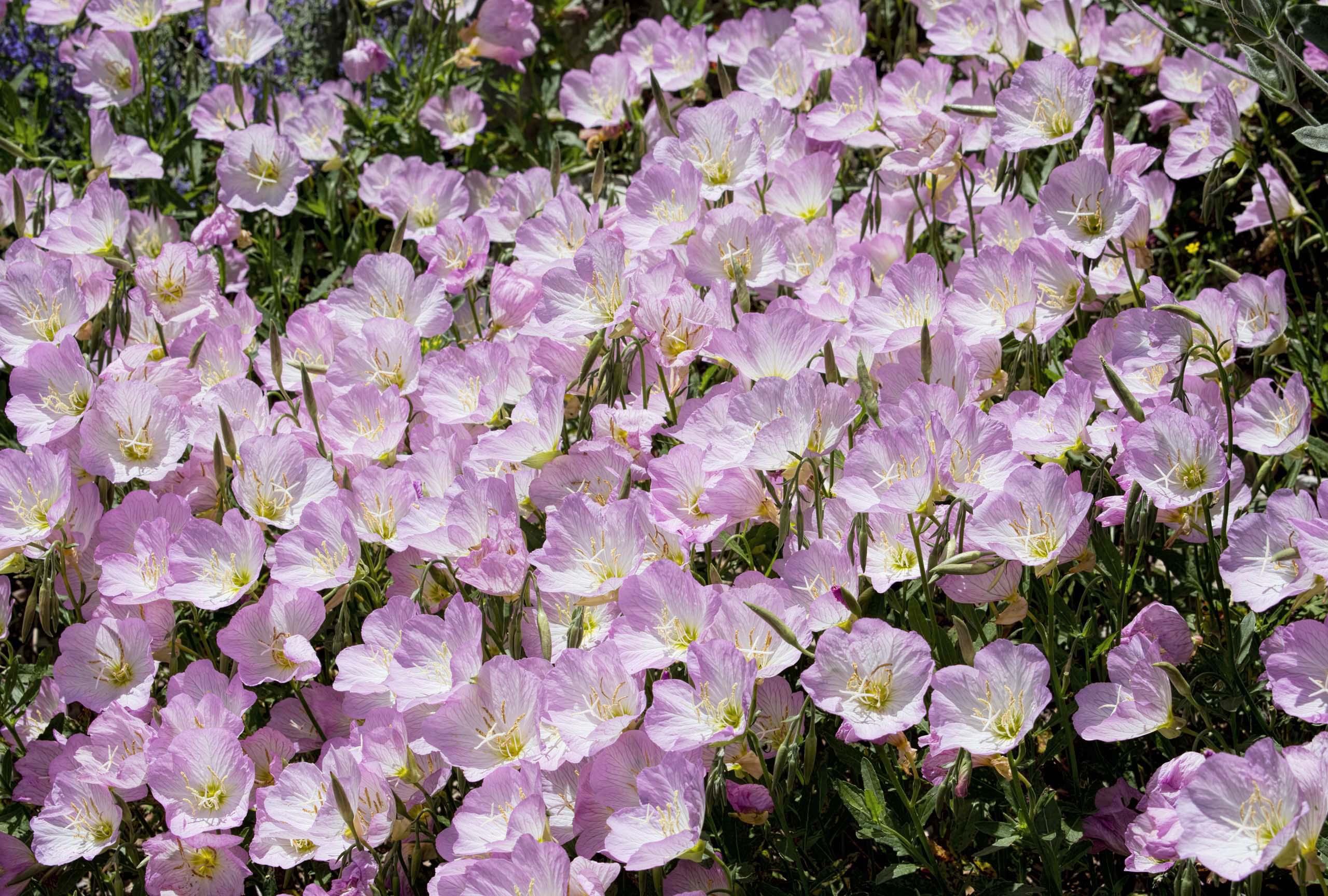
The botanical garden finally (partly) reopened today after a two-month hiatus. I spent the afternoon there taking hundreds of pictures. It’s going to take me a while to process them all. Here’s Oenothera speciosa for now. There will be more soon.
***
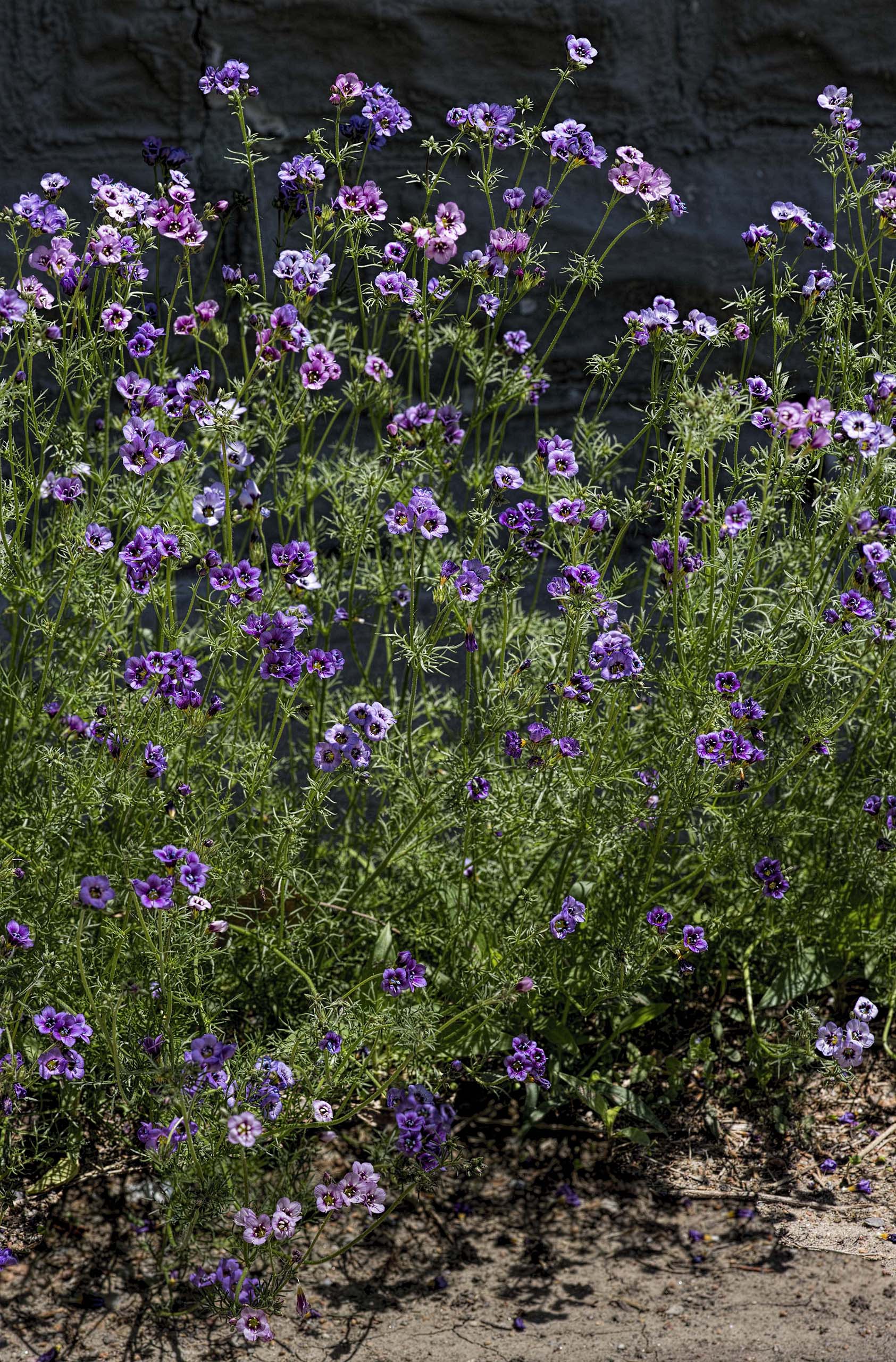
The close-ups I’ve posted of Gilia tricolor don’t really show what the plant looks like. This should give you a better idea of how it grows in cultivation. It’s roughly a foot tall.