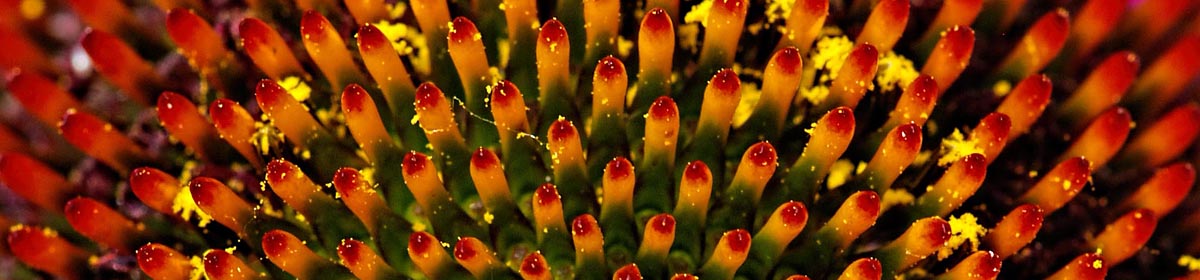

A few plants flourished despite this year’s brutal summer. These include Zinnia grandiflora, above. It’s a low, spreading plant two or three inches tall with profuse yellow flowers all summer. Unlike the familiar garden zinnias, it’s a hardy perennial. It’s easy from seed and blooms the first year. Triple-digit temperatures don’t bother it, and it can tolerate considerable dryness, though it does bloom better with regular watering. It would make a good ground cover for dry places.

Melampodium leucanthum, the blackfoot daisy, also endures heat and drought. It grows larger than Z. grandiflora, up to a foot high and two feet across. It’s easy from seed and blooms the first year. Both of these are native to southwest Kansas.

Rudbeckia subtomentosa, another Kansas native, continues to flourish, blooming profusely in midsummer. It’s about five feet tall. It can survive some drought, but it is definitely happier with regular watering. This also blooms the first year from seed.


Blues are almost always welcome, and plumbago is a excellent source of the color.

Salvias are often good sources of blue. The “Big Blue” hybrid attracted many bumblebees in a sheltered, partly-shaded spot, but it was not happy out in the hot, sunny places. I can’t recommend it for Kansas unless you’re prepared to give it extra water.

Clematis seed heads are as interesting as the flowers.

Hawks patrol the neighborhood, circling above my yard when I mow the lawn. One will occasionally sit in the elm tree north of the house and watch as I drag the hose around the yard.
Great post.
Thank you.