
I’ve been mostly taking extreme close-ups for the past month or so. I figured that it was about time to break out the fish-eye lens. Click to enlarge.
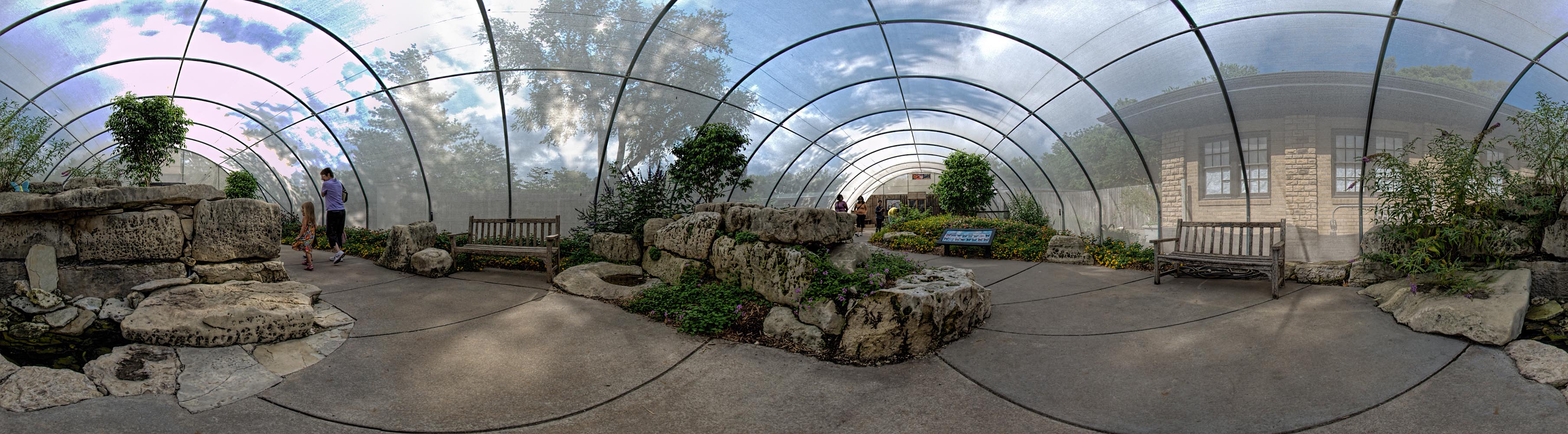
Update: The corresponding spherical panoramas are below the fold.
Trivia that matter

I’ve been mostly taking extreme close-ups for the past month or so. I figured that it was about time to break out the fish-eye lens. Click to enlarge.
Update: The corresponding spherical panoramas are below the fold.
R.I.P., Johnny Winter.

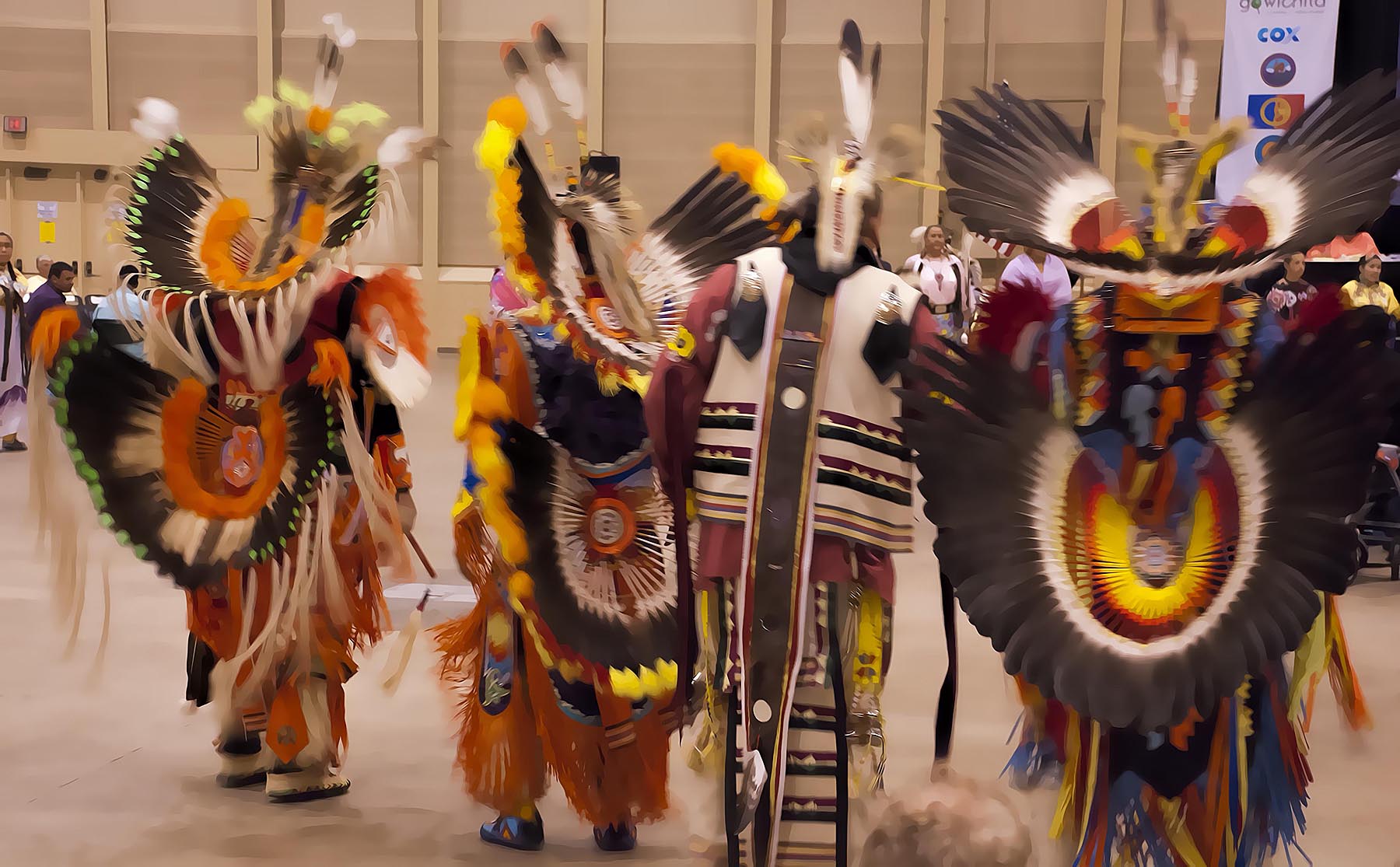
I spent the the past two days taking 12 gigabytes’ worth of pictures at a cactus and succulent plant show and at a powwow. Here are a few that I’ve run through Photoshop.

The Girls und Panzer OVA has finally been subtitled, though it apparently hasn’t hit the torrent sites yet. In it, Miho and her comrades face the girls of Anzio. They’re an enthusiastic crew who’d rather fight than eat, and vice versa. ((Yeah, I’m ripping off S.J. Perelman here.)) Anzio has a bunch of cute, but pesky, little tanks, plus one that’s not so cute. Tank otaku Yukari gets a chance to shine, and we learn more about Caesar of the military history obsessives.
The ending is never in doubt, but that hardly matters. The Anzio OVA is the most purely fun of any Girls und Panzer episode, and is worth tracking down if you enjoyed the original series.
There are additional screencaps below the fold. Steven has many more in his rather spoilerous post.
Incidentally, if you’d like to introduce sensha-dou to your local high school, there’s an auction that might interest you. (Via AoSHQ.)
Update: The “loligeddon” sub makes much more sense than the “AK-Submarine” one that I first watched, and it looks better, too.
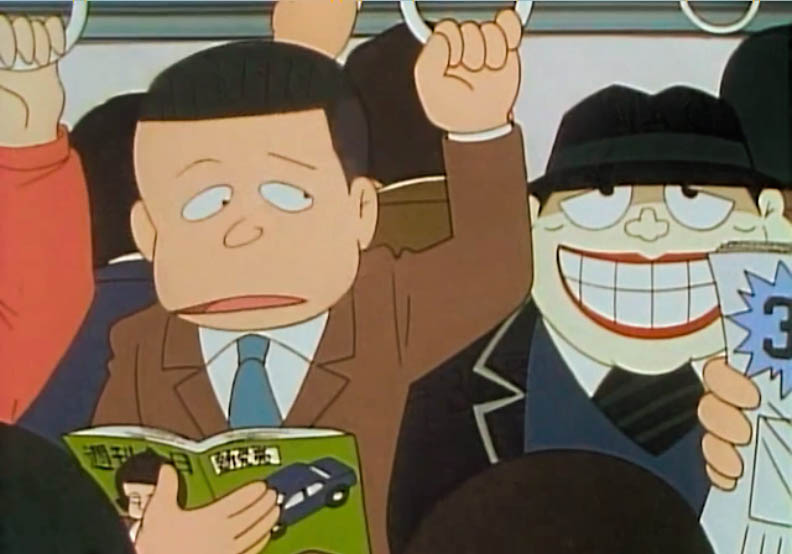
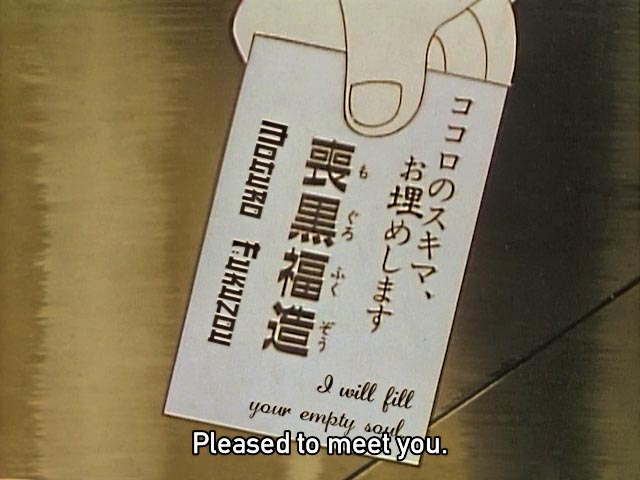
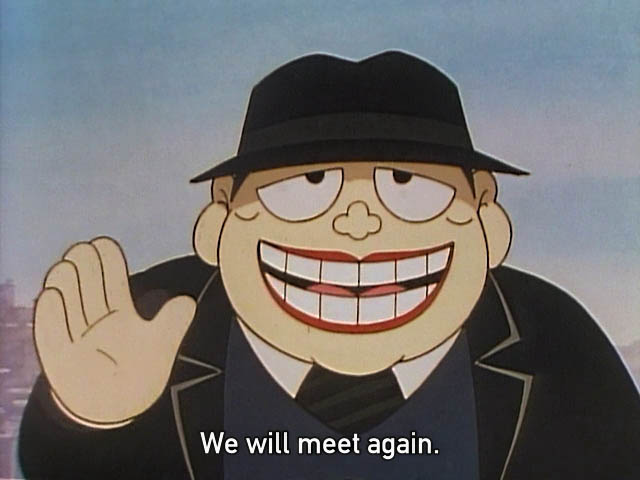
Motoo Akibo, the co-creator of Doraemon, also wrote stories about the perpetually smiling Moguro Fukuzou, Warau Salesman, of which over 100 episodes were animated around 1990. What I’ve seen of Doraemon is harmless and bland. I recently came across a few episodes of Warau Salesman, which is neither. Here’s how the eponymous salesman introduces himself:
My name is Moguro Fukuzou. People call me “The Laughing Salesman.” However, I’m no ordinary salesman, because I’m in the soul business. Human souls, that is.
The world is full of lonely men and women, both young and old. I’m here to fill the gaps within your lonely souls. Completely free of charge, I might add. A satisfied customer is the only compensation I desire.
Fukuzou’s customers are people who are not happy with their lives. One might wish to be freed from the demands others make of him; another might want recognition for heroism; yet another might resent having to work at all. Portly, knowing Fukuzou offers his services to them, changing their lives. He has an odd idea of customer satisfaction, though. At the end of each ten-minute episode, Fukuzou’s client will have destroyed his marriage, ruined his career, or be headed to prison or a mental institution, much to Fukuzou’s amusement as he walks away, laughing.
Jolly, smarmy Fukuzou’s rumbling voice is supplied by Tooru Oohira, who is also the Japanese voice of Fred Flintstone, Homer Simpson and Darth Vader.
Obviously, this is not a show for everyone. It’s unlikely ever to be licensed, but if its dark vision intrigues you, there are about ten episodes subtitled that you can find with a bit of persistence.
A few notes on The Return of the Revenge of the Son of the Bride of Sailor Moon, Fit the First:
• The opening theme for Sailor Moon is “Moonlight Densetsu.” Period. Anything else is wrong, particularly if it involves Momoiro Clover Z.
• Kotono Mitsuishi is Sailor Moon — that is, the Kotono Mitsuishi of 20 years ago. Now she’s in her mid-forties. She’s still one of the best voice actresses in the business, but you can hear the strain in her voice as she tries to sound like a fourteen-year-old
• The first episode of the rebooted anime follows what I remember of the original fairly closely. The differences are mostly improvements. Mamoru isn’t quite as insufferable as he was the first time, for instance, though he’s still a pompous twit.
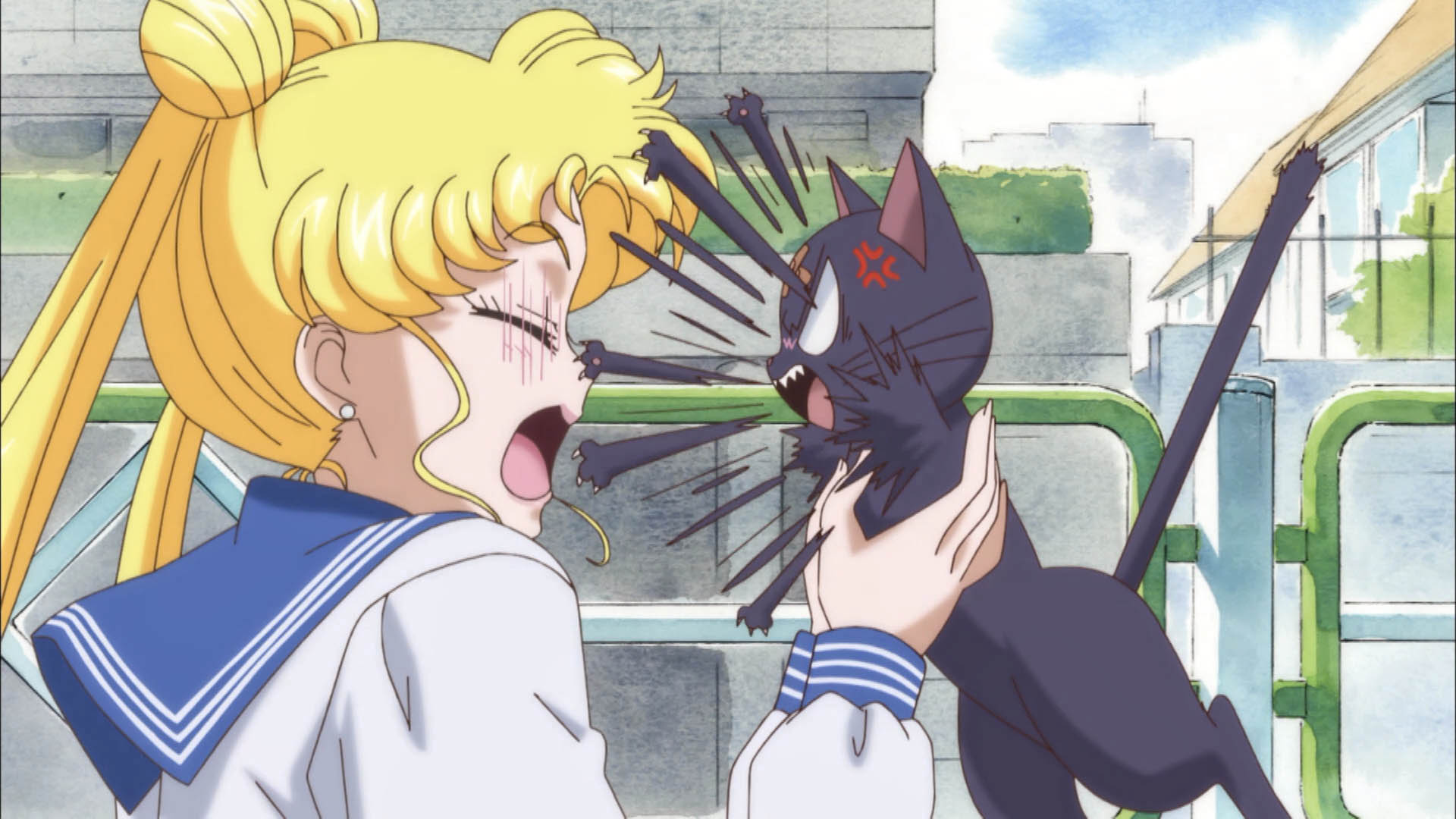
• Usagi’s bawling has potential as an offensive weapon.
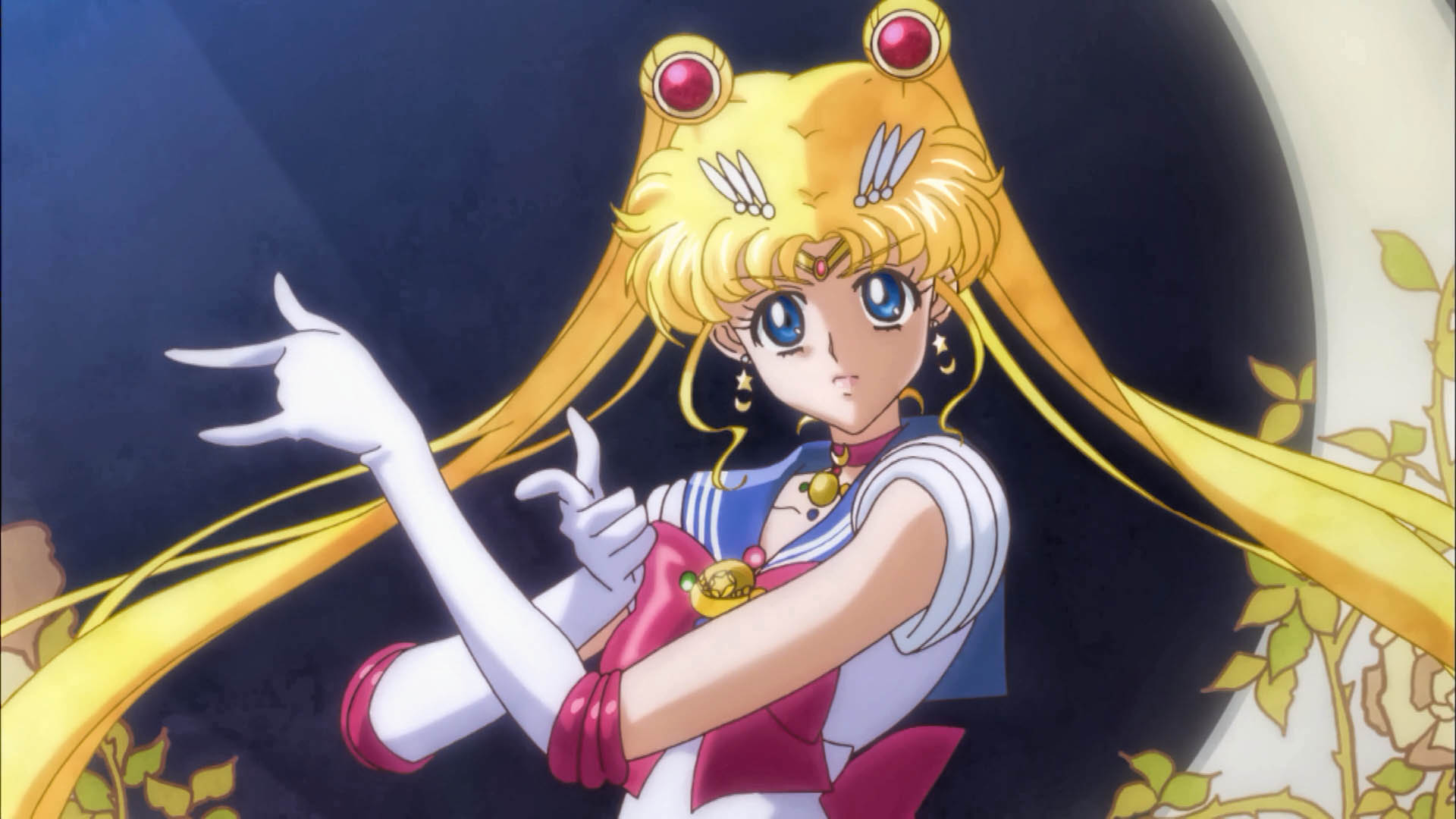
• The art looks vastly better than in the original anime. The character designs have been tweaked to follow the manga style more closely, which is a plus overall. Unfortuntely, it also tends to emphasize the bug-eyes.
Should you watch it? If you are a Sailor Moon obsessive or are interested in mahou shoujo/sentai team hybrids, it’s worth sampling. Most other viewers will find it rather silly. I might watch more, or I might not.
With bells on, too.
Update: The Professor thinks that this may be the coolest thing ever:
Perhaps, but it lacks Segways.

Comic Sans might be the least-loved of all typefaces, but I think it would be an appropriate font for certain uses. Government documents, for instance.
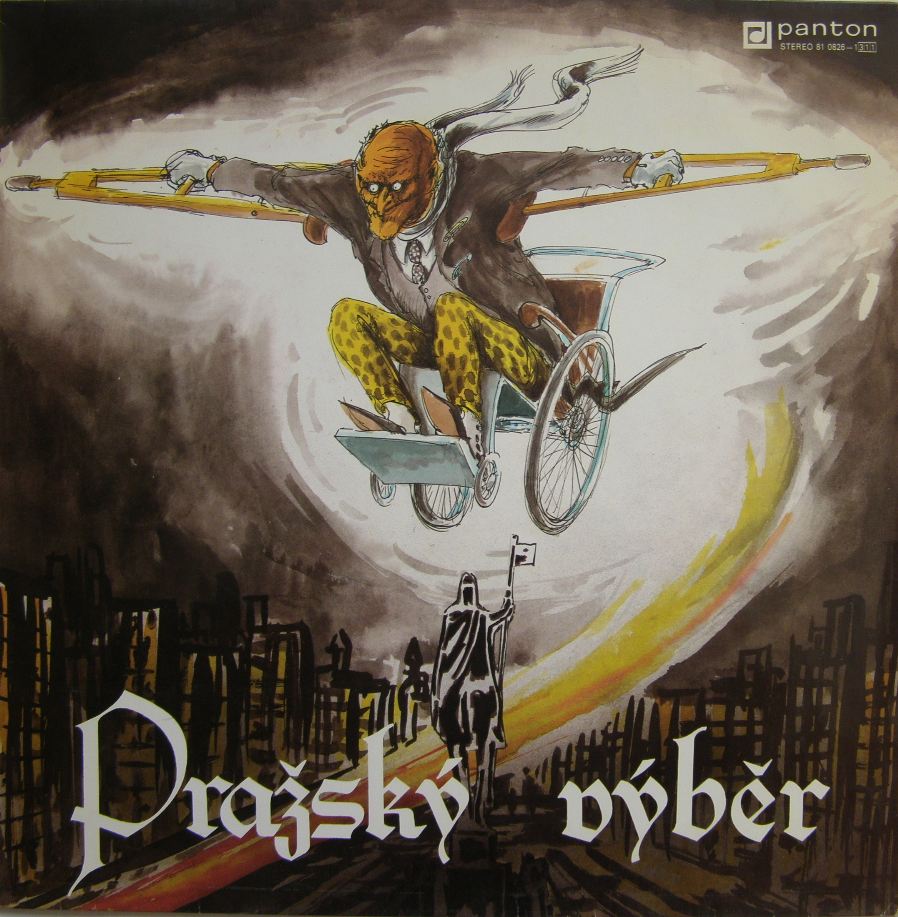
One of the candidates for greatest album cover of all time. The music is pretty good, too.
More nonsense:

It’s been too muggy to do anything outdoors, so I’ve been playing with Photoshop. The above is a recent image from the botanical garden, modified a bit.

I’ve been playing around with a “variable kaleidoscope” photo filter. See if you can guess what the original of the above was a picture of. (The original can be found at my Flickr page.)
How can you tell it’s Sunday morning?
Some idiot is mowing the lawn next door at 6:30 a.m.
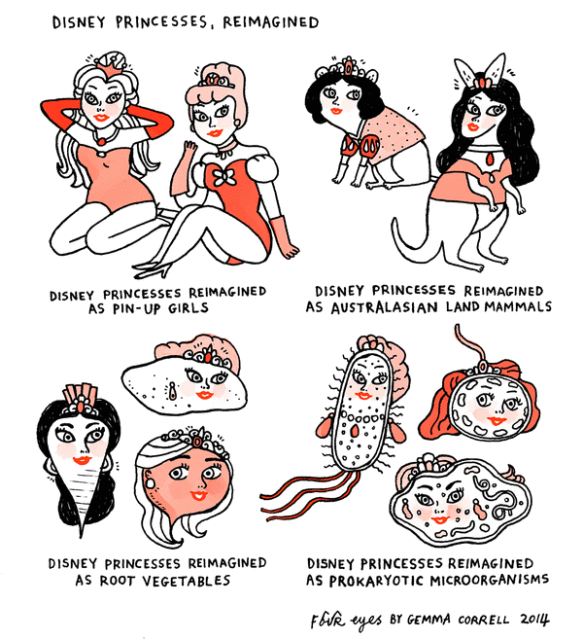
Another cartoonist to keep an eye on: Gemma Correll.
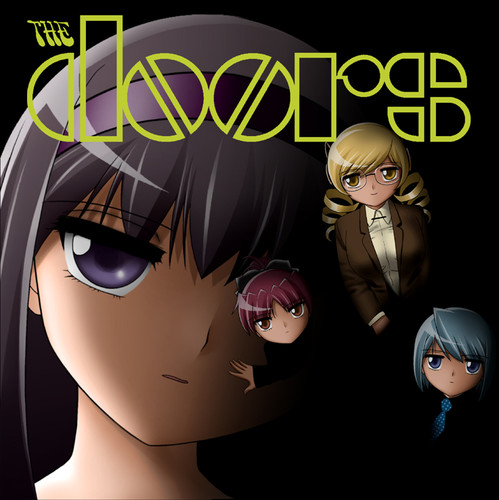
None of this summer’s anime looks likely to break on through my indifference. Yet another Nobunaga story? Momotaro, with fan service? An undead idol? Meh. I have better ways to waste my time. There are a couple I might take a look at anyway — Sailor Moon, to see if it’s any improvement on the original, and Hanayamata, to see the dance — but none of the descriptions has piqued my curiosity in the way that the previews of Shin Sekai Yori and Joshiraku did.
***
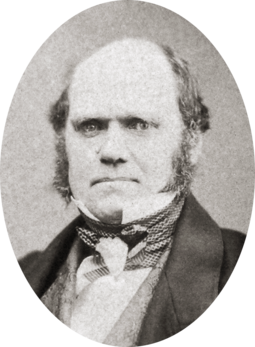
Who is this unfriendly gentleman? I guarantee you that you’ve heard of him. The answer is here.
***
Tricia Spencer and Howard Rains will play a concert that you can listen to live online Thursday evening. I’ve heard Tricia several times at Winfield, and I can certify that she is one hell of a good old-time fiddler.
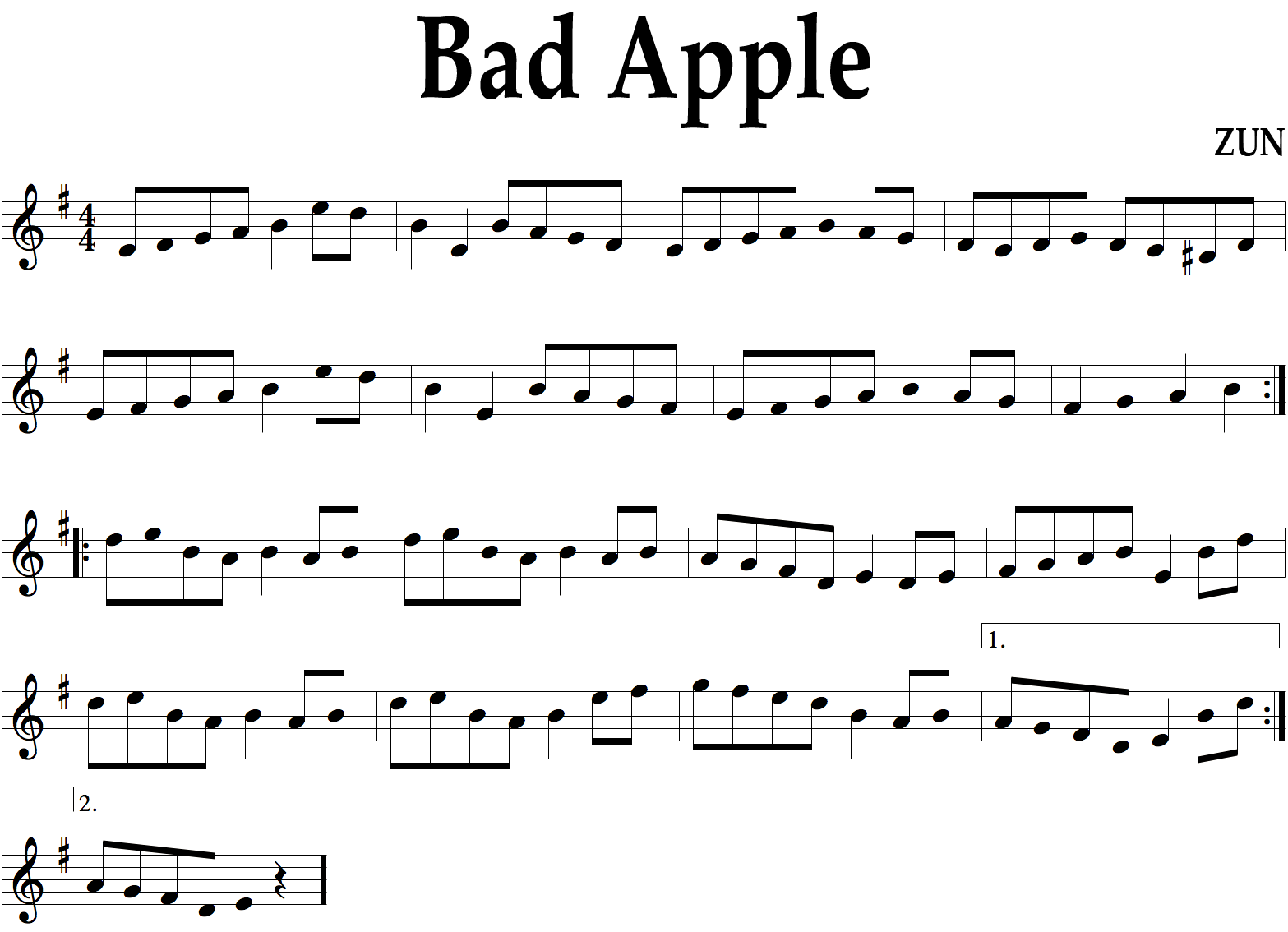
I condensed “Bad Apple” down to two strains in 32 measures, suitable for playing in jam sessions or for dances, which I’m posting in case anyone else might find it useful. It’s in E minor now, a much friendlier key for diatonic instruments than the E-flat minor of the score I worked from. It’s not obligatory to play it as written: fiddle with the rhythm and add a few triplets, and you have a perfectly fine hornpipe. I expect you could tease a strathspey out of it with a bit of ingenuity. For inspiration, see Floating Cloud. (Click to embiggenify, right-click to save to your disc.)
Update: “Bad Apple” as a strathspey and reel can be found here.
I found a complete performance of Balanchine‘s A Midsummer Night’s Dream. If you remember the play, you can follow the story pretty well, though Balanchine made many changes in adapting it. Even if you haven’t read Shakespeare, you can enjoy the spectacle, and there’s always the music.
Frederick Ashton also choreographed the play in The Dream. In his version, the transformed Bottom dances on pointe for added grotesquerie.

If you have a MIDI keyboard you can plug into your computer and a VST or AU host, here’s a very nice freebie you can play with. It’s based on the Oberheim OB series of synthesizers. It works fine in Logic on my aging Mac laptop. I haven’t had time yet to do more than try some presets, but it sounds very ’80’s to my ear.
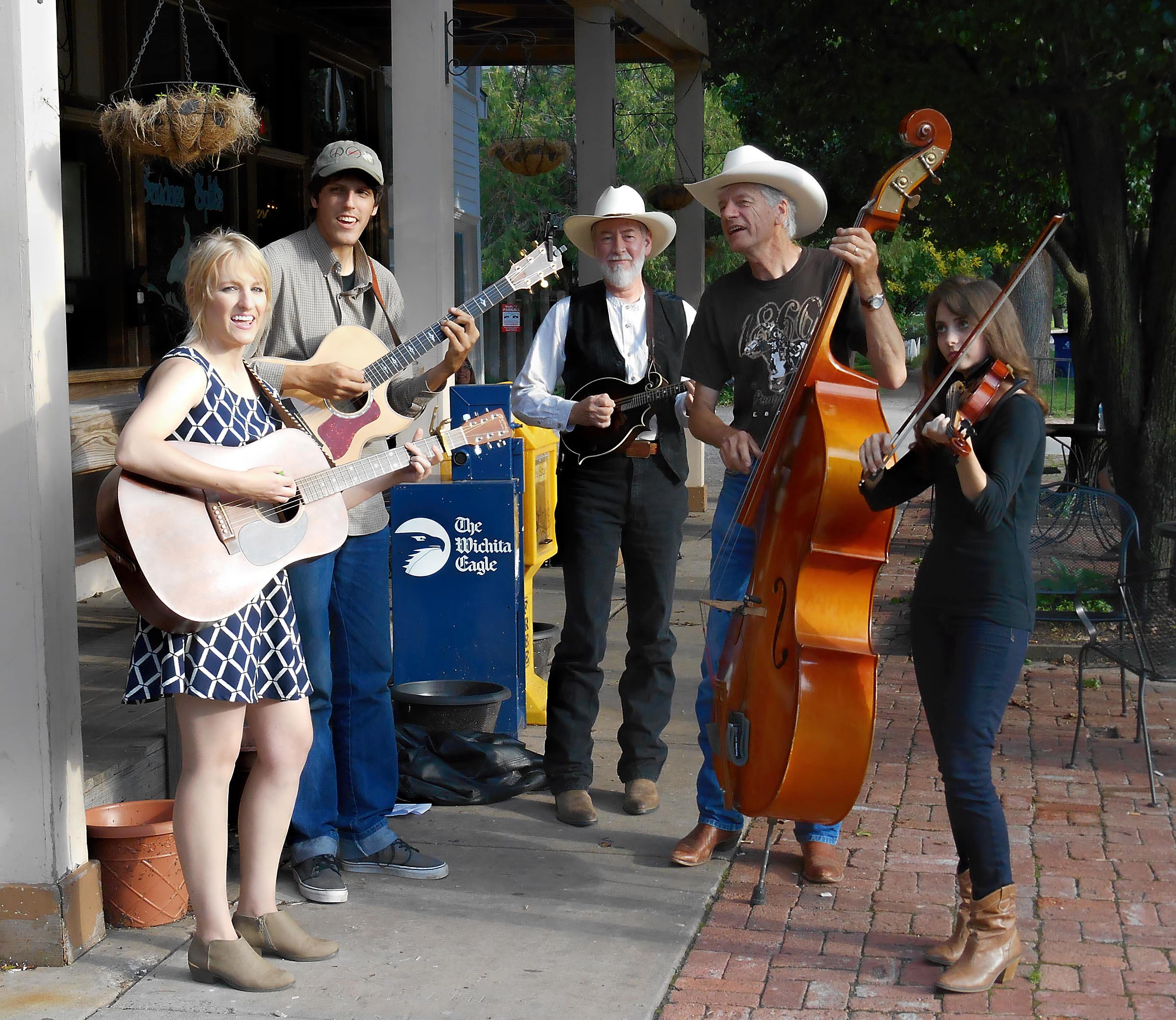
In front of the coffee house yesterday as I returned from another expedition to the botanical garden.
How long before “Bad Apple” surpasses “‘Sukiyaki‘” and “Sakura Sakura” as the best-known Japanese melody? And how does Touhou fandom compare with Broniedom? ((There are inevitably Touhou-MLP:FIM crossovers.))
Update: “Bad Apple” on a music box.
And now for something completely different:
Roger, the fiddler above, is the one who mentioned Flying Cloud to me.
 The results of the Liebster project are in, and there are some interesting data uncovered about these three very different people. The Brickmuppet played trombone; Robbo was nearly run down in a parking lot by Antonin Scalia; Topmaker likes Ian Hunter and Nathaniel Hawthorne. But all three did mention the same name somewhere in their responses.
In the Wikipedia article on Eliot’s “The Hollow Men,” I came across this note:
References range from film (Apocalypse Now, Southland Tales, Waking Life) to video games (Fable II, the Halo series, and Metal Gear Solid 2: Sons of Liberty)[citation needed], to Japanese literature (the novels of Haruki Murakami) and anime (the last episode of Highschool of the Dead), to American television shows (30 Rock, Frasier, The Big Bang Theory, Northern Exposure, Dexter, Mad Men, The X-Files [“Pusher” episode], and Dollhouse [“The Hollow Men” episode]).
What I’ve read about Highschool of the Dead sounds loathsome and I have no intention of ever watching it. But I am curious: does “The Hollow Men” really turn up there?